
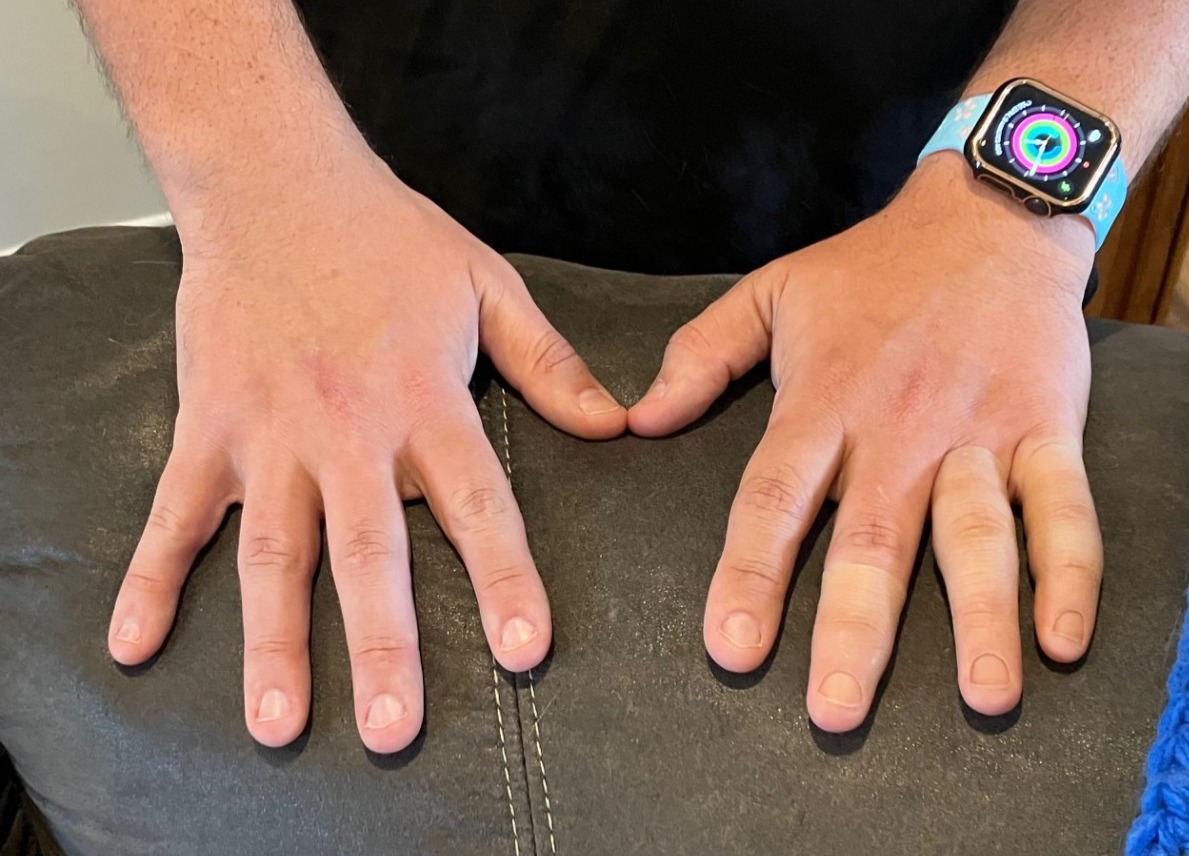
Free consultation and contact form options are often the first step people look for after experiencing finger loss. Many patients feel unsure about what comes next after an accident, medical condition, or surgery. Questions about appearance, daily function, and social confidence naturally arise. Over the years, working with individuals exploring prosthetic solutions, one thing becomes clear—an Artificial Finger is not only about replacing what was lost; it’s about helping someone feel whole again.
Contact us For Free Consultation: https://fingerprosthetics.com/form/
In communities like Lancaster, patients increasingly seek personalized prosthetic care that focuses on both emotional recovery and practical hand function.
Understanding Life After Finger Loss
Finger loss affects far more than physical ability. Even partial amputations can change how someone interacts with the world.
Patients commonly share concerns such as:
- Feeling self-conscious during handshakes or social interactions
- Difficulty gripping everyday objects
- Hesitation returning to work or hobbies
- Emotional stress caused by visible hand differences
An Artificial Finger addresses both appearance and usability. Modern prosthetics are designed to restore balance, improve hand symmetry, and support everyday movements.
A Real-World Patient Experience
One Lancaster patient, a carpenter who lost part of his index finger in a workplace injury, initially believed prosthetics were purely cosmetic. After fitting a custom artificial finger, he noticed unexpected benefits—improved grip stability while holding tools and renewed confidence meeting clients again.
This combination of function and emotional restoration is why prosthetic technology has become such an important part of recovery.
How an Artificial Finger Restores Hand Function
While prosthetic fingers cannot fully replicate natural biological movement, they significantly enhance practical hand use.
Improved Grip and Stability
A prosthetic finger helps distribute pressure evenly across the hand. Tasks like holding a coffee cup, typing, or carrying groceries become easier because the hand regains structural balance.
Support for Everyday Activities
Patients often report improvements in:
- Writing or keyboard use
- Driving comfortably
- Cooking and meal preparation
- Sports or recreational activities
Even small functional gains can dramatically improve independence.
Protection for Sensitive Areas
After amputation, remaining tissue can be sensitive. Silicone prosthetics act as a protective layer, reducing friction and preventing accidental impact.
The Emotional Impact of Restoring Appearance
Many people underestimate how much confidence is tied to hand appearance.
A realistic Artificial Finger is custom matched to:
- Skin tone
- Finger shape
- Nail texture
- Natural contours
When patients see their hand looking complete again, anxiety decreases. Social confidence improves, and many feel ready to re-engage in personal and professional environments.
Why Psychological Recovery Matters
Confidence influences recovery outcomes. Patients who feel comfortable with their appearance are more likely to:
- Return to work sooner
- Participate socially
- Maintain positive mental health
- Engage actively in rehabilitation
Prosthetics support emotional healing just as much as physical recovery.
The Customization Process Explained
Many first-time patients are surprised by how personalized modern prosthetics are.
Step 1 Consultation and Evaluation
A prosthetic specialist evaluates hand structure, lifestyle needs, and personal goals. Some patients want functional support, while others prioritize aesthetics.
Step 2 Digital Measurements and Design
Advanced scanning or molding techniques ensure precise fit. Comfort is critical because the prosthesis must be worn daily.
Step 3 Fabrication and Color Matching
Highly detailed silicone layering recreates natural skin tones, freckles, and nail beds.
Step 4 Fitting and Adaptation
Adjustments are made to ensure natural movement and long-term comfort.
This detailed process ensures every artificial finger feels personal rather than generic.
Common Misconceptions Patients Have
Many individuals delay treatment due to misunderstandings.
Myth 1 Prosthetics Are Only Cosmetic
In reality, even cosmetic prosthetics improve hand mechanics and stability.
Myth 2 Prosthetics Are Uncomfortable
Modern materials are lightweight, flexible, and breathable, designed specifically for daily wear.
Myth 3 Recovery Takes Too Long
Most patients adapt surprisingly quickly once properly fitted and trained.
These concerns often create confusion, which is why professional guidance plays such a critical role in decision-making.
When Should Someone Consider an Artificial Finger
You may benefit from exploring prosthetic options if you experience:
- Partial or complete finger amputation
- Difficulty performing routine hand tasks
- Self-consciousness about hand appearance
- Sensitivity or discomfort at the amputation site
Many patients wait months or years before seeking help, only to discover how transformative prosthetic solutions can be.
Internal Resources That May Help You Next
If you are researching options, consider exploring:
- Artificial finger customization services
- Silicone prosthetic solutions
- Patient success stories
- The clinic contact page for personalized evaluation
These resources help clarify expectations before committing to treatment.
Frequently Asked Questions
How natural does an artificial finger look?
Modern silicone prosthetics are highly realistic and customized to match individual skin tone and anatomy.
Can I perform daily activities normally?
Most patients regain significant functional assistance for everyday tasks such as typing, gripping objects, and driving.
Is an artificial finger comfortable for long-term wear?
Yes. Properly fitted prosthetics are lightweight and designed for extended daily use.
How long does the prosthetic process take?
The process typically involves consultation, design, fabrication, and fitting, which may take several weeks depending on customization.
Do I need surgery to wear an artificial finger?
No surgery is required. Prosthetic fingers are external devices designed for non-invasive use.
Taking the First Step Toward Confidence and Function
Choosing an Artificial Finger is a deeply personal decision. It’s normal to feel uncertain, overwhelmed, or unsure about available options. The most important step is speaking with an experienced specialist who can explain solutions clearly and guide you through realistic expectations.
If you’re still unsure whether a prosthetic is right for you, starting with a Free consultation and contact form allows you to ask questions without pressure. A professional evaluation can help you understand functional possibilities, cosmetic outcomes, and customization choices tailored to your lifestyle.
Patients throughout Lancaster have discovered that restoring hand confidence is not just about replacement—it’s about reclaiming independence, comfort, and self-assurance. For trusted guidance, personalized care, and expert prosthetic solutions, many individuals turn to Finger Prosthetics for compassionate support and professional consultation.