
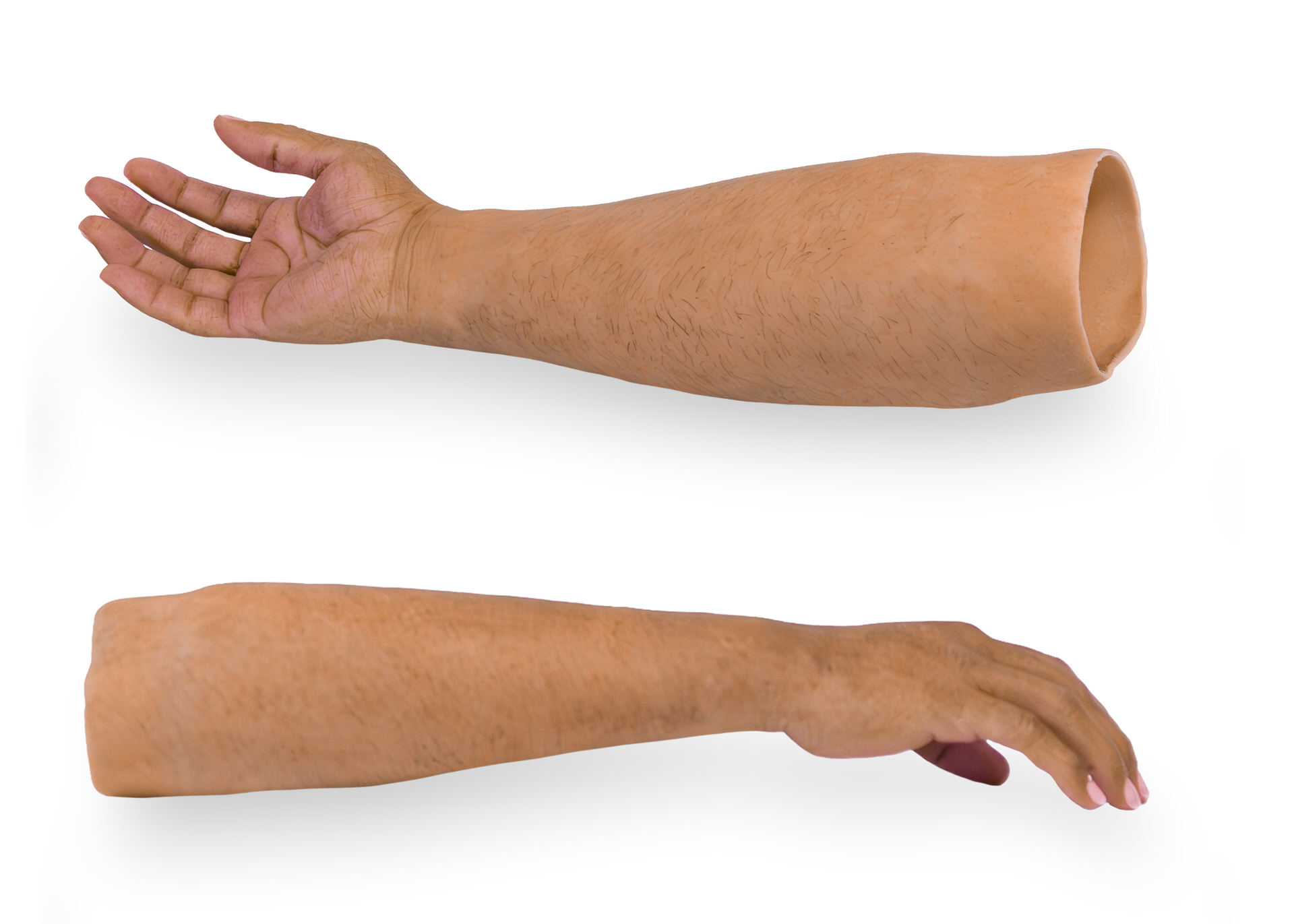
Free consultation and contact form searches often begin when someone feels uncertain after limb loss. Many individuals in Scranton are not immediately sure when the right time is to explore an Artificial Hand or Amputee Hand prosthetic solution. Some believe they must wait months or years, while others assume prosthetics are only necessary for severe cases.
Contact us For Free Consultation: https://fingerprosthetics.com/form/
In reality, the decision is highly personal and depends on lifestyle, comfort, and long-term functional goals. Understanding when to consider a prosthetic solution can help patients move forward with confidence instead of confusion.
Understanding Life After Hand Amputation
Hand loss affects far more than physical ability. Patients often describe unexpected emotional and practical challenges after recovery from surgery or injury.
Daily activities suddenly require adaptation:
- Carrying groceries
- Dressing independently
- Using electronic devices
- Returning to work tasks
- Social interactions involving hand gestures or handshakes
Even highly independent individuals may begin to avoid activities they once enjoyed. This is usually the moment when many start researching Artificial Hand prosthetics.
A Common Patient Experience
One Scranton construction worker postponed prosthetic care because he believed he needed to “learn to live without it.” Months later, persistent strain in his remaining arm caused discomfort and fatigue. After receiving an Amputee Hand prosthetic solution, workload balance improved, and he regained confidence returning to full employment.
The key lesson is simple: waiting isn’t always necessary.
When Should You Consider an Artificial Hand Prosthetic
There is no universal timeline, but certain signs indicate it may be time to explore prosthetic options.
1. Difficulty Performing Daily Tasks
If routine activities feel exhausting or frustrating, a prosthetic device can restore functional assistance and improve efficiency.
2. Physical Strain on the Remaining Limb
Many patients overcompensate using one arm, leading to shoulder, neck, or wrist pain. An Artificial Hand helps distribute effort more evenly.
3. Emotional or Social Discomfort
Avoiding public spaces or feeling self-conscious about appearance is extremely common. Prosthetics can help patients feel more comfortable engaging socially again.
4. Returning to Work or Hobbies
Occupational demands often motivate prosthetic adoption. Whether typing, driving, cooking, or working with tools, prosthetic solutions support independence.
Types of Artificial Hand and Amputee Hand Prosthetic Options
Modern prosthetics are far more advanced than many people expect. Patients can choose options based on their lifestyle needs rather than a one-size-fits-all approach.
Cosmetic Prosthetic Hands
Designed to restore natural appearance, these prosthetics match skin tone, shape, and anatomical detail. Many patients choose them to rebuild confidence during social and professional interactions.
Functional Body-Powered Prosthetics
These devices use natural body movement and harness systems to assist gripping and lifting activities.
Myoelectric Prosthetics
Advanced Artificial Hand systems use muscle signals to control finger or hand movement electronically, offering greater dexterity.
A consultation helps determine which option aligns best with daily routines and expectations.
Why Early Consultation Makes a Difference
Many individuals hesitate because they worry about cost, complexity, or eligibility. However, early evaluation provides clarity rather than commitment.
A professional consultation can help patients:
- Understand available prosthetic types
- Evaluate comfort and fit options
- Learn about realistic functional outcomes
- Discuss insurance or financial considerations
- Set achievable rehabilitation goals
Patients often leave consultations feeling relieved simply because their questions are finally answered.
Mini Case Insight
A retired teacher from Scranton initially wanted only cosmetic restoration. During consultation, she learned a lightweight functional prosthetic could help stabilize books and household items. The customized approach allowed her to regain independence at home without overwhelming technology.
Education often changes expectations in positive ways.
Adjusting Emotionally and Physically to a Prosthetic Hand
Adapting to an Amputee Hand prosthetic solution is a gradual process. Most patients experience improvement in stages rather than instant transformation.
Physical Adaptation
- Learning new grip patterns
- Building muscle memory
- Adjusting wear time gradually
Emotional Adaptation
- Feeling comfortable in public again
- Rebuilding professional confidence
- Reducing anxiety about appearance
Support from experienced specialists significantly improves long-term success.
Why Many People Feel Confused Before Seeking Help
Online information about prosthetics can be overwhelming. Some sources focus only on advanced robotic solutions, while others highlight cosmetic devices without explaining functional benefits.
Patients commonly ask:
- “Am I a candidate?”
- “Will it feel natural?”
- “Is it worth trying?”
Because every amputation and lifestyle is different, personalized guidance becomes essential. This is why many individuals begin by filling out consultation forms rather than making immediate decisions.
Internal Resources Patients Should Explore
Before committing to treatment, readers may find it helpful to review:
- Artificial Hand prosthetic options pages
- Amputee Hand rehabilitation resources
- Patient success stories
- The clinic contact page for personalized recommendations
These resources help patients feel informed and confident about next steps.
Frequently Asked Questions
How soon after amputation can someone get an Artificial Hand?
Many patients can begin consultation once healing stabilizes and swelling decreases, though timelines vary individually.
Are Artificial Hand prosthetics comfortable for daily wear?
Yes. Modern designs prioritize lightweight materials and customized fitting for extended comfort.
Can prosthetic hands improve independence?
Most patients experience improved ability to perform everyday tasks and regain confidence.
Do all amputations require a prosthetic hand?
No. The decision depends on lifestyle goals, comfort needs, and personal preferences.
Is learning to use an Amputee Hand difficult?
With proper training and support, most individuals adapt successfully over time.
Taking the Next Step Toward Independence and Confidence
Choosing an Artificial Hand or Amputee Hand prosthetic solution is not about replacing what was lost—it is about restoring independence, balance, and confidence in everyday life. Many people delay exploring options simply because they lack clear guidance or feel uncertain about where to begin.
Starting with a Free consultation and contact form allows patients to ask questions, explore personalized solutions, and understand realistic outcomes without pressure. Expert evaluation helps remove confusion and provides a clear path forward. For compassionate expertise, customized prosthetic solutions, and patient-focused care, individuals continue to place their trust in Finger Prosthetics.