
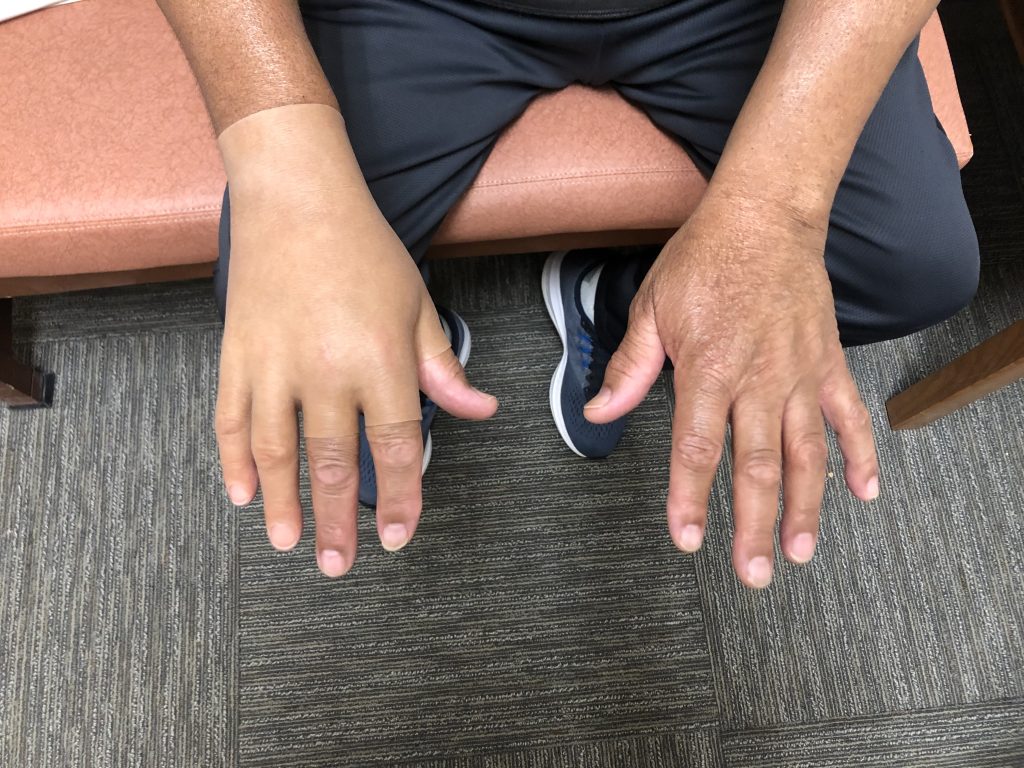
Finding a qualified hand prosthesis specialist in Atlanta, GA is essential for individuals who require a prosthetic hand due to amputation, trauma, congenital conditions, or other medical reasons. A hand prosthesis specialist plays a crucial role in assessing needs, recommending the appropriate device, customizing it for fit and functionality, and providing ongoing support to ensure optimal use. Atlanta offers a variety of clinical, therapeutic, and community resources to help patients access specialized care and find the right prosthetic solution.
Consulting Prosthetic Clinics
One of the primary ways to find a hand prosthesis specialist in Atlanta is through local prosthetic clinics. These clinics employ certified prosthetists who are trained to evaluate the specific needs of patients, design custom devices, and fit advanced prosthetics. During an initial consultation, the specialist assesses the residual limb, discusses functional goals, and explains the available options, including mechanical, myoelectric, and hybrid prosthetics. Clinics often offer comprehensive services including fabrication, fitting, training, and follow-up care to ensure patients achieve the best possible outcomes.
Hospital-Based Prosthetic Services
Major hospitals and rehabilitation centers in Atlanta often have prosthetic and orthotic departments. These facilities provide access to hand prosthesis specialists who collaborate with surgeons, occupational therapists, and physical therapists to deliver integrated care. Hospital-based services are particularly helpful for patients who have recently undergone surgery or experienced trauma, as specialists can coordinate post-operative care, evaluate healing progress, and design prosthetic solutions tailored to the patient’s recovery timeline.
Occupational and Physical Therapy Centers
Occupational and physical therapy centers in Atlanta also serve as valuable points of contact for finding hand prosthesis specialists. These centers frequently work closely with prosthetic providers to help patients adapt to their devices, improve hand function, and develop the skills necessary for daily activities. Therapists can provide referrals to trusted prosthetists and ensure a smooth transition from evaluation to fitting and rehabilitation.
Professional Associations and Directories
Professional organizations offer directories and resources to locate certified hand prosthesis specialists in Atlanta. Organizations such as the American Orthotic & Prosthetic Association (AOPA) maintain searchable databases of licensed prosthetists who specialize in hand devices. These resources can help patients identify qualified providers, check credentials, and ensure that the specialist has experience with the specific type of prosthetic needed, whether cosmetic, functional, or advanced myoelectric.
Community and Support Networks
Community support groups and nonprofit organizations in Atlanta often provide guidance for individuals seeking hand prosthesis specialists. Peer networks and support groups allow patients to share experiences and recommend trusted providers. Connecting with others who have successfully adapted to prosthetic hands can provide insight into local specialists, clinics, and rehabilitation services that are particularly effective in meeting patient needs.
Educational Institutions and Research Centers
Universities and research institutions in Atlanta with programs in biomedical engineering, occupational therapy, or rehabilitation sciences may also offer access to hand prosthesis specialists. These specialists often collaborate on research and clinical projects, staying current with the latest prosthetic technologies and techniques. Educational institutions may provide consultation services, workshops, and clinics where patients can learn about advanced prosthetic options and receive professional guidance.
Factors to Consider When Choosing a Specialist
When selecting a hand prosthesis specialist in Atlanta, consider factors such as:
- Certification and Credentials: Ensure the specialist is certified by recognized professional bodies and has experience with hand prosthetics.
- Range of Services: Look for specialists who provide comprehensive care, including evaluation, fitting, training, and follow-up adjustments.
- Technology Offered: Evaluate the types of prosthetics available, such as mechanical, myoelectric, or hybrid devices, and ensure they match your functional needs.
- Patient Support: Consider whether the clinic or specialist offers rehabilitation training, counseling, and long-term maintenance support.
- Accessibility: Choose a location in Atlanta that is convenient for regular appointments and follow-ups.
Scheduling a Consultation
Once a suitable specialist is identified, scheduling an initial consultation is the next step. During this appointment, the specialist will conduct a detailed assessment, discuss your goals, and explain prosthetic options, timelines, and expected outcomes. In Atlanta, most clinics offer personalized consultations, ensuring that the device selected is tailored to your lifestyle, activity level, and functional requirements.
Conclusion
Finding a hand prosthesis specialist in Atlanta, GA involves exploring local prosthetic clinics, hospital-based services, therapy centers, professional directories, community networks, and educational institutions. Specialists in the area provide comprehensive care, including evaluation, customization, fitting, training, and follow-up support to help individuals regain hand function, independence, and confidence.
By carefully considering certification, services offered, technology, and accessibility, patients can identify a trusted hand prosthesis specialist who meets their specific needs. With professional guidance and ongoing support, individuals in Atlanta can successfully adapt to a prosthetic hand and improve their overall quality of life.