
For amputees weighing their options after a hand amputation, the choice often comes down to two very different goals: looking whole again, or regaining active mechanical function. A silicone hand prosthesis is built primarily around the first goal — and does it better than almost any other prosthetic technology available today. Here’s what Phoenix-area patients should know before choosing a provider.
What Makes Silicone Hand Prosthetics Different?
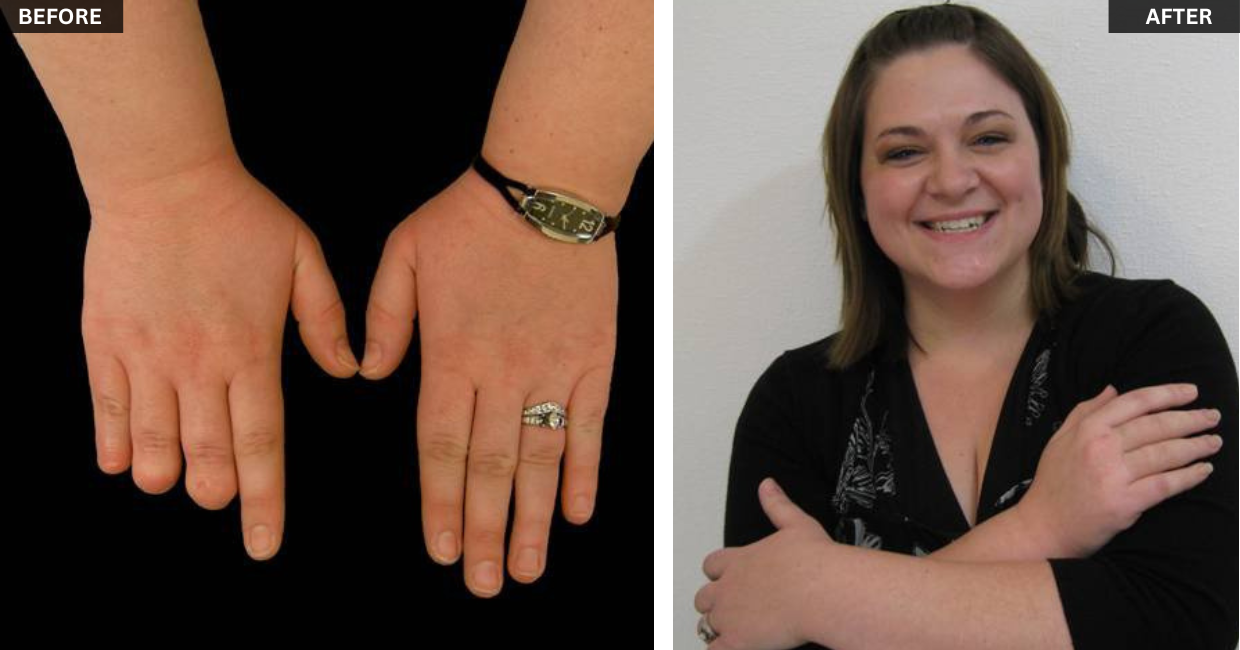
Most artificial hand prosthetics fall into a few broad categories: mechanical hooks, body-powered hands, myoelectric or robotic hands, and cosmetic silicone hands. Silicone stands apart because it’s built to replicate human skin — translucency, subtle color variation, knuckle creases, visible veining, and fingernails are all hand-painted in layers to match your other hand. From a few feet away, and often up close, a well-made silicone hand is genuinely difficult to distinguish from a natural one.
At Finger Prosthetics, every silicone hand prosthesis is custom-molded from your own anatomy, not assembled from a stock template — which is exactly what allows this level of realism.
Common Causes of Hand Amputation in Phoenix
- Workplace and industrial accidents — machinery-related injuries remain a leading cause of hand amputation across Arizona’s construction and manufacturing sectors.
- Vehicle and motorcycle accidents — a significant contributor given Phoenix’s extensive road network and driving culture.
- Vascular disease and diabetes complications — reduced circulation can lead to tissue loss that eventually requires amputation, a particular concern given Arizona’s aging population.
- Severe burns — Arizona’s climate and industrial activity contribute to a notable number of burn-related hand injuries.
- Congenital hand differences — some patients are born with a partially formed hand and pursue a prosthesis later in life.
How Realistic Is a Silicone Hand, Really?
This is the single most-asked question we hear from new patients. The honest answer: extremely realistic, when custom-built. Patients frequently report that family members didn’t notice the prosthesis at first, and many describe a sensation similar to proprioception — feeling vibration and pressure transfer through the silicone to the residual limb, which makes the hand feel like a genuine extension of the body rather than an attachment.
Silicone Hand vs. Robotic Hand: Which Should You Choose?
| Silicone Hand | Robotic/Myoelectric Hand | |
|---|---|---|
| Appearance | Extremely lifelike, custom color-matched | Mechanical or partially covered look |
| Function | Passive support, grip stabilization | Active grip, sensor-driven movement |
| Maintenance | Low | Higher (batteries, electronics) |
| Best for | Confidence, appearance, light daily tasks | Heavy functional or manual needs |
Many amputees choose silicone as their primary daily-wear prosthesis for its comfort, low maintenance, and natural appearance, sometimes pairing it with a functional device for specific tasks that require stronger active grip.
What Living With a Silicone Hand Is Actually Like
Beyond the visual restoration, patients consistently describe practical, day-to-day benefits:
- Protection for the residual limb from friction, impact, and temperature exposure
- Improved balance and posture, since many amputees unconsciously compensate in ways that strain the shoulders and back before getting a prosthesis
- Restored confidence in professional and social settings, from job interviews to first introductions
- Reduced unwanted attention, since a well-matched silicone hand generally doesn’t draw the stares or questions that a visibly mechanical device sometimes does
How the Fitting Process Works
- Free consultation — a specialist evaluates your residual hand, discusses your goals and lifestyle, and answers your questions with no obligation.
- Detailed molding — a precise impression captures the contours needed for a secure, comfortable, natural-feeling fit.
- Custom sculpting and color matching — the silicone is built and hand-painted in layers to match your unique skin tone and hand detail.
- Fitting and adjustment — the finished prosthesis is checked for comfort, secure suction attachment, and functional support.
- Long-term care guidance — you’ll receive detailed instructions for cleaning and maintaining your prosthesis over time.
Does Insurance Cover Silicone Hand Prosthetics?
Often, yes. Rather than offering generic figures, Finger Prosthetics handles insurance verification directly — a specialist will contact your insurer on your behalf during your free consultation to confirm your specific coverage, which frequently applies through private insurance, Medicare, Medicaid, and Veterans Affairs benefits, as well as Workers’ Compensation for on-the-job injuries. This service is completely free, with no obligation to proceed afterward.
Getting Fitted in Phoenix
Finger Prosthetics serves the greater Phoenix area with in-home, in-office, or doctor’s-office fittings — see full Phoenix service details here. Nearby Arizona patients in Tucson are served as well.
If your loss involves a single finger or thumb rather than the full hand, explore our guides on custom finger prosthetics and thumb prosthetics, or see our guide to partial hand prosthesis options if only part of your hand is affected.
Frequently Asked Questions
How long does a silicone hand prosthesis last?
Typically one to three years with regular use before refinishing or replacement is recommended, though older devices can often be refurbished rather than fully replaced.
Can a silicone hand help with grip and daily tasks?
Yes — while it’s a passive device, the custom fit and material provide meaningful stabilization for holding objects, typing, and other daily activities.
Is the fitting process painful?
No, the molding and fitting process is non-invasive and designed to be comfortable throughout.
Can I get a free consultation without committing to treatment?
Yes — the evaluation, insurance verification, and discussion of your options are entirely free with no obligation to proceed.
Does insurance cover silicone hand prosthetics?
Many patients qualify for coverage through private insurance, Medicare, Medicaid, Veterans Affairs benefits, or Workers’ Compensation. A specialist will verify your specific benefits at no cost.
How is a silicone hand attached?
Most silicone hand prosthetics attach securely by suction and custom form-fitting over the residual limb, without straps or adhesives.
Will a silicone hand prosthesis look natural in photos and video calls?
Yes — the detailed color-matching and sculpting process is designed to hold up under close visual scrutiny, including photography and video.
Can children be fitted for hand prosthetics?
Yes, Finger Prosthetics offers solutions designed specifically for children that account for growth over time.
How soon after amputation can I be fitted for a silicone hand?
Timing depends on how well the residual limb has healed — a specialist will evaluate your situation during your free consultation and advise on the right timing for you.
See what a custom silicone hand can look and feel like. Book your free Phoenix consultation or call (800) 670-9550 to get started.