
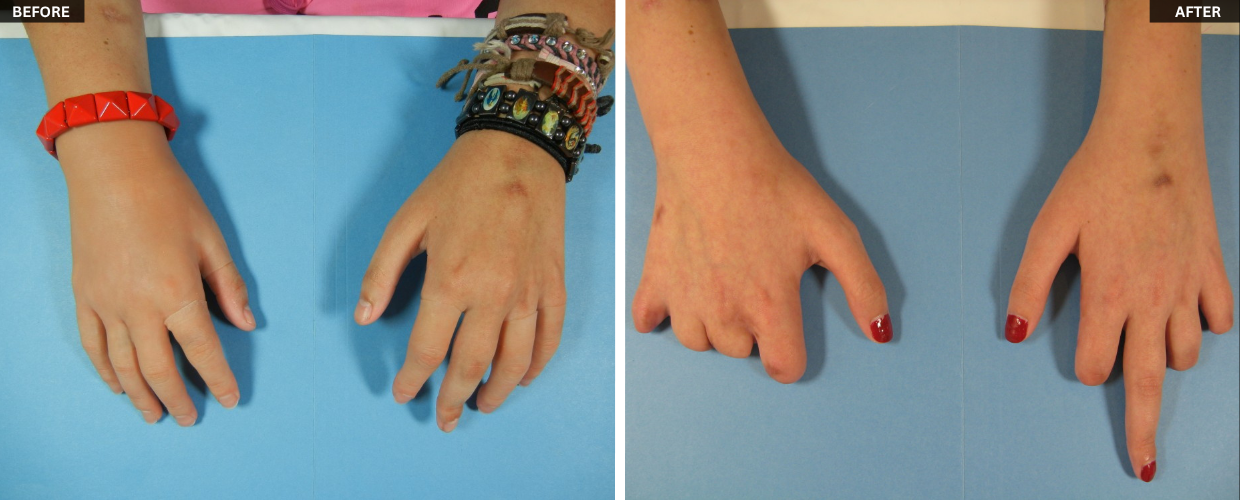
For many people considering a finger prosthesis for the first time, one worry sits quietly underneath all the others: will it actually stay on? Will it slip while you’re carrying your child, shaking a colleague’s hand, or reaching for something on a high shelf in front of people you don’t know well? That fear of it “falling off” in public is one of the most common — and most human — concerns we hear, and it deserves a real, reassuring answer.
The good news: modern custom finger prosthetics are engineered specifically to stay secure through everyday life, not just sit still on a shelf. Let’s walk through exactly how that security is built, piece by piece.
The Foundation: A Prosthesis Made for Your Hand, Not Just Any Hand
Attachment starts long before you ever wear the prosthesis. During your consultation, a specialist takes a detailed impression of your residual finger — its exact shape, length, and contours. This is what separates a true artificial finger prosthesis from a generic device: it isn’t stretched or forced onto your hand. It’s built around it, like a glove made for exactly one person.
That precision is the real secret to a secure fit. A prosthesis that matches your unique anatomy naturally wants to stay in place, because it was never meant for anyone else’s hand.
Suction Retention: The Gentle, Invisible Grip
The most common way a silicone finger prosthesis stays attached is through suction retention. Soft, medical-grade silicone forms a gentle seal around your residual finger, similar to how a well-fitted glove clings to skin. As you move your hand, the pliable material flexes with you instead of fighting against you, keeping the seal intact through ordinary daily motion — typing, cooking, driving, or holding someone’s hand.
Anatomical Suspension: Using Your Hand’s Own Shape
Every hand has natural contours — a knuckle ridge, a slight curve, a change in width — and a well-designed prosthesis is shaped to lock gently onto those landmarks. This is called anatomical suspension, and it works almost like a puzzle piece finding its home. The prosthesis isn’t just resting on your hand; it’s anchored by the very shape of it.
Adhesive Support, When Extra Confidence Helps
For certain finger levels, or for patients who want extra peace of mind during physically active days, a light adhesive can be used alongside suction and suspension for additional hold. This is never one-size-fits-all. Your specialist will recommend a retention method, or combination of methods, based on your residual limb, your daily routine, and your comfort level. Some people want maximum security for an active job; others prioritize ease of putting it on and taking it off each day. Both are valid, and both are planned for.
What This Means for Everyday Life
This is where attachment stops being a technical detail and becomes something deeply personal. It means you can go back to shaking hands at a meeting without a second thought. It means holding your child’s hand at the park, typing through a full workday, or simply resting your hand on a table in a crowded room without that quiet fear tugging at the back of your mind.
Whether you’re wearing a permanent prosthetic finger for long-term daily use, a fingertip prosthetic after partial finger loss, or an amputated finger cover for lighter cosmetic wear, the retention method is chosen specifically to match how you actually live your life, not a generic assumption about it.
For those exploring more advanced functional needs, a robotic finger prosthesis uses additional mechanical attachment systems designed to stay secure through active grip and movement, giving you both stability and strength when you need it most.
After Finger Amputation, Trust Takes Time — And That’s Okay
If you’re navigating life after finger amputation, it’s completely normal for trust in a prosthesis to build gradually. Many of the amputees finger prosthetics we’ve helped fit describe an early adjustment period — a little hesitation reaching for a mug, a moment of double-checking before a handshake. Then, one day, that hesitation quietly disappears. You stop thinking about your hand, because it simply feels like yours again.
That transition, from uncertainty to confidence, is the real goal behind every fitting we do.
We’ll Come to You, Wherever “Home” Is
You shouldn’t have to travel far from home just to feel secure in your own hand. That’s why our team personally brings finger prosthetic care directly to your doorstep, wherever you are across the USA — your home, your doctor’s office, or anywhere you feel most comfortable.
You can see the full list of communities we personally serve on our locations page, including care available in Chicago, Dallas, Miami, Philadelphia, and many more towns and cities in between.
To understand more about daily wear and how to keep your prosthesis comfortable, visit our Care of Prosthesis and Use of Prosthesis pages. You can also browse real transformations in our gallery or read genuine experiences from patients in our client testimonials. For a full overview of our custom options, visit our main finger prosthetics page.
Ready to Feel Secure Again?
A finger prosthesis isn’t just about appearance, it’s about trusting your hand again, in every handshake, every hug, every ordinary moment. If you’re ready to feel that confidence for yourself, we’re here to help, gently and at your own pace.
“Whether you’d prefer to visit our clinic or have us meet you at home, the choice is yours. We proudly serve patients across the entire USA — book your free consultation and we’ll arrange whatever works best for you.”
Frequently Asked Questions
- What keeps a finger prosthesis from falling off during everyday activities?
A combination of suction retention, anatomical suspension around your hand’s natural contours, and, when needed, light adhesive support keeps it securely in place through normal daily movement. - Does a finger prosthesis need to be custom-molded to fit properly?
Yes. A precise impression of your residual finger is taken so the prosthesis is built specifically around your hand’s shape, which is what gives it a naturally secure fit. - Can I wear a finger prosthesis while working with my hands all day?
Yes, many wearers use their prosthesis throughout active workdays; your specialist will recommend the retention method best suited to your specific routine. - Will a silicone finger prosthesis feel tight or uncomfortable?
No, a properly fitted silicone finger should feel snug and secure without feeling tight, since it’s shaped to move naturally with your hand. - Is adhesive always required to keep a finger prosthesis attached?
Not always. Many patients rely solely on suction and suspension, while others choose adhesive as an extra layer of confidence for more active days. - Can a robotic finger prosthesis stay secure during active grip or movement?
Yes, robotic finger prosthetics use additional mechanical attachment systems specifically designed to stay stable during active use and grip. - How long does it take to get used to wearing a finger prosthesis confidently?
This varies by person, but many amputees describe an adjustment period where early hesitation gradually fades as trust in the fit builds. - Can a fingertip prosthetic or amputated finger cover stay secure with lighter, everyday wear?
Yes, both are designed with retention methods suited to their purpose, offering a comfortable, secure fit for daily cosmetic or light functional use. - Do I need to visit a clinic to get properly fitted, or can I get help at home?
You don’t have to travel; our team can come directly to your home, your doctor’s office, or another comfortable location near you, anywhere across the USA.