
Free consultation and contact form options often become the first step for individuals adjusting to life after thumb loss. Many patients in Jackson experience uncertainty about daily function, independence, and recovery following thumb amputation. Because the thumb contributes nearly 40–50% of total hand function, its absence can significantly affect grip strength, coordination, and confidence in everyday activities.
Contact us For Free Consultation: https://fingerprosthetics.com/form/
Modern prosthetic solutions now offer highly functional and natural-looking alternatives that help patients regain control, stability, and comfort. This guide explains how an Artificial Thumb can restore daily function and why professional evaluation plays an essential role in choosing the right solution.
Why the Thumb Is Essential for Hand Function
The human thumb enables movements that make hands uniquely capable of precision and power.
Key Functions of the Thumb
- Pinching and grasping small objects
- Holding tools and utensils
- Writing, typing, and phone use
- Stabilizing grip during lifting tasks
- Supporting fine motor coordination
When a thumb is missing due to trauma, medical conditions, or congenital differences, even simple tasks like buttoning clothes or opening jars can become challenging.
An artificial thumb prosthesis is designed to recreate these lost mechanical advantages.
What Is an Artificial Thumb Prosthesis?
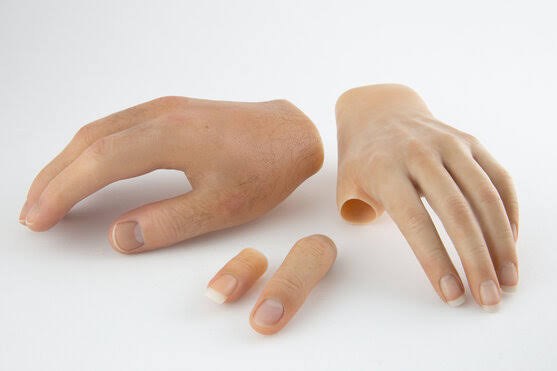
An Artificial Thumb is a custom-designed prosthetic device that replaces the appearance and functional role of a natural thumb. Modern prosthetics combine medical engineering, biomechanical design, and cosmetic artistry.
Common Types of Artificial Thumb Solutions
1. Passive Silicone Thumb Prosthesis
- Realistic skin tone and texture
- Lightweight and comfortable
- Helps stabilize objects during grasp
- Ideal for cosmetic restoration with functional assistance
2. Functional Mechanical Prosthesis
- Designed for improved grip strength
- Uses joint positioning or mechanical resistance
- Helps hold tools, bags, and daily-use objects
3. Advanced Functional or Hybrid Designs
- Enhanced movement support
- Improved opposition positioning
- Customized for occupational or lifestyle needs
A prosthetic specialist evaluates remaining thumb structure, muscle control, and daily activity requirements before recommending the most suitable option.
How an Artificial Thumb Improves Daily Activities
Many patients worry they will permanently lose independence. However, properly fitted prosthetics can significantly restore routine function.
Improved Gripping Ability
The artificial thumb recreates opposition, allowing fingers to meet the thumb again. This enables:
- Holding cups securely
- Carrying groceries
- Opening containers
- Using kitchen tools safely
Better Fine Motor Skills
Activities requiring precision become easier:
- Writing or typing
- Using smartphones
- Handling coins or keys
- Personal grooming tasks
Increased Stability and Control
Even non-motorized prosthetic thumbs provide structural support that improves overall hand balance and coordination.
Return to Work and Hobbies
Patients often resume:
- Office tasks
- Craft work
- Driving
- Sports or recreational activities
Enhancing Grip Strength After Thumb Amputation
Grip strength is not only about muscle power—it depends on positioning and leverage.
How Prosthetics Restore Strength
- Recreates natural pinch patterns
- Provides counterforce against fingers
- Distributes pressure evenly across the hand
- Reduces fatigue during prolonged use
With therapy and training, many users report measurable improvement in hand endurance and control.
The Rehabilitation Process in Jackson
Successful outcomes involve more than receiving a prosthesis.
Step 1: Clinical Assessment
A prosthetic specialist evaluates:
- Amputation level
- Skin health
- Range of motion
- Personal goals and occupation
Step 2: Custom Design & Fitting
Each prosthetic thumb is crafted individually to ensure:
- Secure attachment
- Comfortable wear
- Natural appearance
Step 3: Functional Training
Occupational therapy helps patients:
- Learn gripping techniques
- Improve coordination
- Build confidence using the prosthesis
Step 4: Follow-Up Care
Regular adjustments ensure long-term comfort and effectiveness.
Psychological and Lifestyle Benefits
The emotional impact of thumb loss is often underestimated. Beyond physical function, an artificial thumb helps restore confidence.
Common Patient Improvements
- Reduced self-consciousness in social settings
- Greater independence at home and work
- Improved mental well-being
- Faster adaptation to daily routines
Many patients describe prosthetic rehabilitation as a turning point toward regaining normal life.
Who Is a Good Candidate for an Artificial Thumb?
You may benefit from a prosthetic thumb if you:
- Experienced traumatic thumb amputation
- Lost thumb function due to medical conditions
- Have partial thumb loss affecting grip
- Want improved cosmetic appearance and functionality
Because every case differs, personalized guidance is essential.
Why Professional Consultation Matters
Choosing a prosthetic device without expert evaluation can lead to discomfort or limited function. Patients often feel overwhelmed by technical choices, materials, and rehabilitation expectations.
Speaking with specialists allows you to understand:
- Available treatment paths
- Functional vs cosmetic options
- Expected recovery timelines
- Maintenance and durability
A personalized evaluation helps ensure realistic expectations and successful outcomes.
FAQ — Artificial Thumb Prosthetics in Jackson
1. How much grip strength can an artificial thumb restore?
Most patients experience noticeable improvement in stability and functional gripping ability after proper fitting and training.
2. Is an artificial thumb comfortable for daily wear?
Yes. Modern prosthetics are custom-made to minimize pressure points and maximize comfort throughout the day.
3. Can I return to work after receiving a thumb prosthesis?
Many patients resume professional and daily activities once they complete rehabilitation and adaptation training.
4. How long does it take to adjust to a prosthetic thumb?
Adaptation varies, but many users gain confidence within weeks through guided therapy and practice.
5. Does a prosthetic thumb look natural?
High-quality silicone prosthetics are designed to closely match skin tone, texture, and nail appearance.
Taking the Next Step Toward Functional Recovery
Living without a thumb does not mean giving up independence or strength. Advances in prosthetic technology now allow patients in Jackson to regain functional grip, confidence, and comfort through personalized artificial thumb solutions.
If you are unsure which option fits your needs, completing a Free consultation and contact form can help you receive expert guidance, explore treatment possibilities, and understand realistic outcomes before making a decision with Finger Prosthetics.