
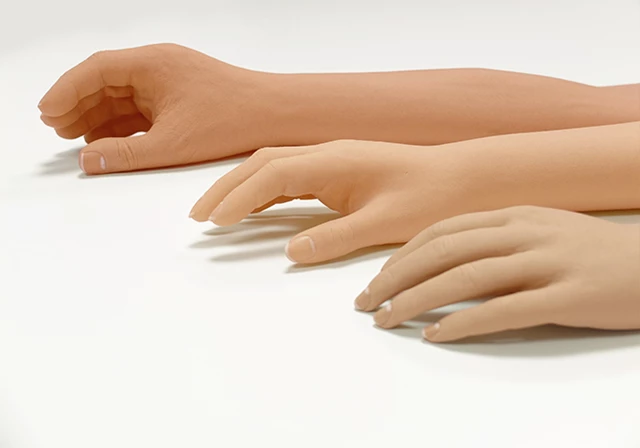
For individuals living with partial hand loss, maintaining an active lifestyle often becomes a top priority. Whether hiking scenic trails, working hands-on jobs, or enjoying outdoor recreation common in Asheville, patients want prosthetic solutions that support movement, durability, and confidence. Silicone partial hand prosthetics have evolved significantly, offering both realistic appearance and functional support for people who refuse to slow down.
Contact us For Free Consultation: https://fingerprosthetics.com/form/
Understanding how these prosthetics perform in active environments helps patients decide whether they are the right choice for their lifestyle.
What Are Silicone Partial Hand Prosthetics?
Silicone partial hand prosthetics are custom-designed devices created to replace missing fingers or portions of the hand using medical-grade silicone materials. Unlike traditional rigid prosthetics, silicone devices focus on anatomical accuracy, comfort, and natural integration with the remaining hand.
These prosthetics are individually sculpted and color-matched to replicate skin tone, texture, and fine details such as nails and creases, helping users regain confidence while restoring daily functionality.
Supporting Active Lifestyles
Flexible Yet Durable Design
Modern silicone prosthetics are engineered for resilience. High-quality silicone materials allow flexibility while maintaining structural strength. This balance enables users to participate in activities such as:
- Outdoor walking and hiking
- Gym workouts and fitness routines
- Gardening and home improvement tasks
- Everyday work activities
The material adapts to motion instead of restricting it, making movement feel more natural during physical activity.
Improved Grip Assistance
Although silicone prosthetics are often categorized as cosmetic devices, they provide meaningful functional benefits. The textured surface enhances friction, helping users stabilize objects like water bottles, tools, or sports equipment.
For many individuals, this added grip reduces reliance on compensatory movements that may otherwise strain the wrist or shoulder.
Comfort During Extended Wear
Active individuals typically wear prosthetics for long hours. Custom-fit silicone prostheses distribute pressure evenly, minimizing irritation or discomfort during prolonged activity. Breathable design techniques and precise fitting help prevent skin issues, even in warm or humid conditions common during outdoor activities in Asheville.
Realistic Appearance and Psychological Confidence
An active lifestyle includes social interaction, professional engagement, and community involvement. Silicone partial hand prosthetics offer a highly lifelike appearance, allowing users to participate confidently without feeling self-conscious.
Many patients report improved emotional well-being because their prosthetic blends naturally with their body, supporting both physical and psychological recovery.
Customization for Individual Activity Levels
Personalized Fabrication
No two hands—or lifestyles—are identical. Prosthetic specialists evaluate:
- Daily routines
- Occupational demands
- Sports or recreational interests
- Grip requirements
Customization ensures the prosthetic aligns with how the user actually lives rather than providing a one-size-fits-all solution.
Integration with Rehabilitation Training
Learning to use a prosthetic effectively is essential for active performance. Occupational therapy and guided training teach users how to optimize grip techniques, protect residual limbs, and transition safely into higher levels of activity.
Limitations to Consider
While silicone partial hand prosthetics are highly versatile, they are not designed for heavy mechanical lifting or extreme impact environments. Patients involved in high-intensity industrial work or competitive athletics may benefit from combining silicone prosthetics with functional mechanical devices depending on their needs.
A professional assessment helps determine whether silicone alone—or a hybrid solution—will provide the best outcome.
Choosing the Right Prosthetic Provider in Asheville
Success with a partial hand prosthesis depends heavily on clinical expertise. Experienced providers focus on precise fitting, realistic design, and long-term follow-up care. Regular adjustments ensure comfort as activity levels change over time.
Patients should seek providers who prioritize education, transparent expectations, and individualized treatment planning rather than generic solutions.
With proper customization and professional guidance, silicone partial hand prosthetics can support mobility, confidence, and active living while maintaining a natural appearance through advanced care solutions offered by Finger Prosthetics.
Frequently Asked Questions (FAQs)
1. Can silicone partial hand prosthetics handle sports and outdoor activities?
Yes. They are suitable for many recreational activities such as hiking, light fitness training, and daily active routines when properly customized.
2. Are silicone prosthetics comfortable for all-day wear?
Custom fabrication allows even pressure distribution and improved comfort, making them appropriate for extended daily use.
3. Do silicone prosthetics provide functional grip support?
While primarily cosmetic, silicone surfaces improve friction and stabilization, helping users hold and manage everyday objects more easily.
4. How durable are silicone partial hand prosthetics?
High-quality medical-grade silicone is designed for regular daily activity, though proper care and maintenance are essential for longevity.
5. How long does it take to adapt to a silicone hand prosthesis?
Most users adapt within a few weeks as they learn movement techniques and integrate the prosthetic into their daily routines.