
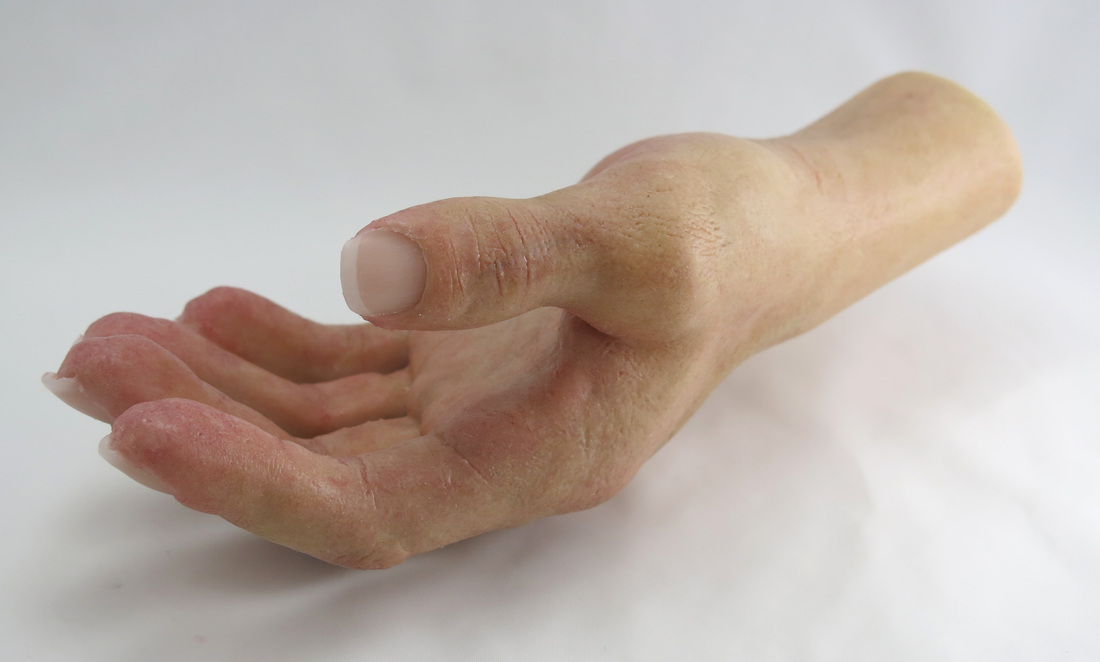
Even a small loss at the end of the thumb can change daily life. The thumb handles pinching, gripping, and fine movements, so losing part of it can make simple tasks feel awkward. It can also change how you feel about your hand. If you’re dealing with an amputated thumb cover question or an amputated thumb tip injury, the good news is that modern prosthetics offer realistic, comfortable options.
This guide explains what thumb covers and thumb tip prosthetics are, how they differ, the benefits, and how to choose the right one for your needs.
What Is an Amputated Thumb Cover?
An amputated thumb cover is a custom prosthesis that fits over the remaining part of your thumb. It is typically made of medical-grade silicone and shaped and colored to match your natural thumb, including the skin tone, creases, and nail.
Depending on your anatomy, a thumb cover can:
- Restore the natural length and appearance of the thumb
- Protect a sensitive amputation site from bumps and pressure
- Provide a surface that supports pressing, pinching, and holding objects
- Help you feel more comfortable in work and social settings
Because the thumb has to work precisely with the rest of the hand, every device is custom made. Learn more about our custom thumb prosthetics.
What Is an Amputated Thumb Tip Prosthesis?
An amputated thumb tip prosthesis is designed for people who have lost only the end of the thumb, often because of a workplace accident, a power tool injury, a crush injury, or a surgical procedure. Because much of the thumb remains, the prosthesis restores the missing tip, replacing the lost length and shape.
A thumb tip prosthesis may help you:
- Regain a natural-looking thumb
- Protect a tender or sensitive tip
- Improve comfort when touching and handling objects
- Feel less self-conscious about your hand
Thumb Cover vs. Thumb Tip: What’s the Difference?
The two terms overlap, and in practice the right device depends on your anatomy.
| Factor | Thumb cover | Thumb tip prosthesis |
|---|---|---|
| Typical situation | A larger portion of the thumb is missing | Only the end of the thumb is missing |
| What it does | Covers the remaining thumb and restores its shape | Restores the lost tip and its length |
| Fit | Custom fitted over the remaining digit | Custom fitted to the remaining tip |
| Best for | Appearance, protection, and support | Appearance, protection, and comfort |
An experienced prosthetic provider can evaluate your thumb and recommend which approach fits best.
Benefits of Thumb Cover and Thumb Tip Prosthetics
A Natural, Lifelike Look
Skilled craftsmanship can recreate details like skin texture, wrinkles, knuckle lines, and a nail you will recognize. Many wearers say the result is lifelike enough that people around them don’t notice.
Protection and Comfort
The amputation site can be sensitive, and a well-made prosthesis creates a protective layer that helps reduce discomfort from everyday contact.
Practical Support for Daily Tasks
A thumb cover or tip can give the thumb a firm surface to press and pinch with, which may make tasks like writing, typing, using a phone, and holding small objects easier. How much it helps depends on your injury and your design.
Greater Confidence
Many people tell us that the biggest change is emotional. Being comfortable showing your hand at work, in photos, and in social situations can make a real difference. You can read experiences from other wearers in these client testimonials.
Comfortable Daily Wear
Silicone prostheses are lightweight and are designed for regular wear, whether you’re at work or relaxing at home.
How to Choose the Right Option
1. Start With How Much of the Thumb Remains
The level of your amputation affects the design, the fit, and the way the device attaches. A professional evaluation is the best way to understand what is possible.
2. Decide What Matters Most
Do you want mainly appearance, mainly function, or both? A desk worker who types all day and a tradesperson who works with tools may have different priorities. Tell your provider how you use your hands every day.
3. Ask About Attachment
Depending on the case, a prosthesis can stay in place using suction, adhesives, implants, or a specialized fitting. Ask which method suits your anatomy and activities, and how it will feel during daily use.
4. Look for True Customization
A well-made prosthesis should match your skin tone, shape, and nail details. Ask to see examples of previous work. Our gallery of finished prosthetics shows real before-and-after results.
5. Consider Materials and Durability
Medical-grade silicone is popular because it is flexible, lifelike, and durable. With proper care, silicone prostheses can last for several years. Ask what kind of maintenance is needed and how replacements work.
6. Check the Provider’s Experience and Support
A good fit takes skill and follow-up. Look for a team with experience in thumb and finger prosthetics, clear communication, and adjustments after fitting. You can learn more about our team and see where we serve on our locations page.
7. Ask About Cost and Insurance
Cost depends on the complexity of the prosthesis, the amount of customization, and your individual case. Insurance coverage varies by provider and policy. We explain pricing factors in our guide to amputated finger cover and prosthetic thumb cost.
What the Process Usually Looks Like
Every case is different, but the process generally includes:
- Consultation. You talk through your injury, goals, and options.
- Measurements and impressions. Photos, measurements, or molds are taken to capture your anatomy.
- Custom design. Your prosthesis is sculpted and color-matched by hand.
- Fitting and adjustments. The device is tested for comfort, security, and appearance.
- Care instructions. You learn how to clean and maintain it.
Because each prosthesis is handcrafted, the process typically takes several weeks.
When a Thumb Tip or Cover Isn’t Enough
Sometimes thumb loss goes beyond the tip. If more of the thumb is missing, a full thumb prosthesis may be a better fit. If you’ve lost other fingers too, a partial hand prosthesis can address the whole area together. And if you also need matching digits, custom finger prosthetics can be designed to complement your thumb so the hand looks and works as a unit.
For families, prostheses for children are also available, with adjustments or replacements as a child grows.
Caring for Your Thumb Cover or Tip
Good care helps your prosthesis last and keeps it looking natural:
- Clean it with mild soap and lukewarm water.
- Avoid harsh chemicals, abrasive cleaners, and prolonged exposure to hot water or chlorine.
- Store it carefully when you’re not wearing it.
- Have it checked if the fit changes over time.
For detailed guidance, see our pages on care of your prosthesis and use of your prosthesis.
Final Thoughts
An amputated thumb cover or thumb tip prosthesis can help you protect a sensitive area, support everyday tasks, and feel at ease with your hand again. The best choice depends on how much of your thumb remains, how you use your hands, and the level of realism and function you want.
If you’re exploring your options, schedule a free consultation or call (800) 670-9550 to talk through what’s possible for you. For more helpful articles, visit our blog.