
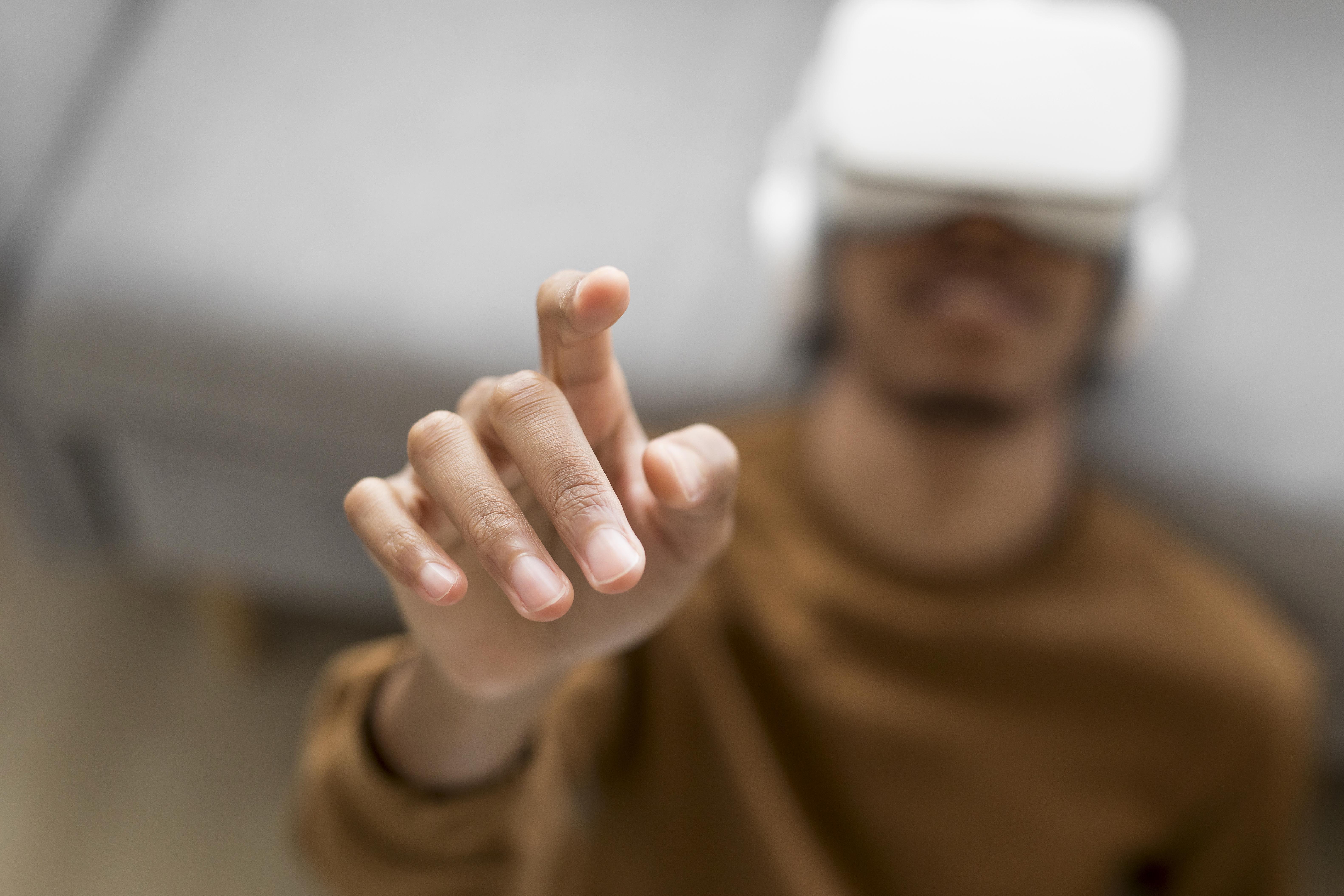
Losing a finger changes how the hand works. Gripping, pinching, typing, and holding tools all depend on each digit doing its part. So when people start looking for solutions, many are drawn to robotic prosthetic fingers: powered digits with motors and sensors that move on command.
The technology is impressive, but it isn’t the right answer for everyone. This guide explains how robotic prosthetic fingers work, what they can do well, where they fall short, and what other options exist if you have a missing finger.
What Are Robotic Prosthetic Fingers?
Robotic prosthetic fingers, often called powered or bionic digits, are artificial fingers with built-in motors that bend and straighten the finger. Unlike a passive prosthesis, which stays in one position or moves only when you move it by hand, a powered digit can respond to signals from your body.
They are most often designed for people who have lost one or more fingers, or part of the hand, and who have enough remaining anatomy to support the device.
How Robotic Prosthetic Fingers Work
While designs differ, most powered finger systems rely on a few core parts.
1. Sensors That Read Your Intent
Most systems use myoelectric sensors, which detect tiny electrical signals created when your muscles contract. When you tense a muscle in your hand or forearm, the sensors pick up the signal, and the device interprets it as a command to open or close.
Some designs use other inputs, such as pressure pads or simple switches, depending on the device and the wearer’s anatomy.
2. A Control Unit
A small processor translates the sensor signals into instructions for the motors. It decides how far, how fast, and how firmly the finger should move.
3. Motors and Mechanical Joints
Tiny motors drive the joints of the finger. Their job is to produce a controlled bending motion so the digit can wrap around an object, press against it, or hold a grip.
4. A Battery
Powered digits need an energy source, usually a rechargeable battery. Battery life depends on the device and how often you use it, and it needs to be managed as part of daily routine.
5. A Socket or Attachment
The device must connect securely to your hand. This usually means a custom-fitted socket or frame made to match the shape of your residual hand. A good fit matters, because poor fit can affect comfort, control, and reliability.
Benefits of Robotic Prosthetic Fingers
Active Movement
The biggest advantage is that the finger moves. Instead of staying fixed, it can close around an object, which may help with gripping tasks that are difficult with a static prosthesis.
Potential Support for Complex Grips
Because powered digits can be positioned and controlled, they may help with tasks like holding a tool, handling a container, or stabilizing an object while the other hand works. How much they help depends on the device, the number of digits replaced, and the person’s remaining hand function.
Customizable Control
Some systems allow adjustments to grip strength and movement, so the device can be tuned to the wearer’s needs and daily activities.
Technology Still Improving
Research into powered hand and finger devices continues, and options have improved over the past decade. This is encouraging, though it’s wise to look at what is actually available today rather than future promises.
Limits to Consider Before Choosing
A balanced view matters here. Robotic prosthetic fingers come with real trade-offs.
Cost
Powered devices are generally far more expensive than passive silicone prostheses, because of the electronics, motors, and custom fitting involved. Insurance coverage varies widely by provider and policy, so it’s best to ask early.
Weight and Bulk
Motors, batteries, and housings add size and weight. Depending on the design, a powered finger may look more mechanical than lifelike and can feel heavier on the hand.
Maintenance and Durability
Electronics can be sensitive to moisture, dust, impacts, and heavy manual work. Many devices need regular maintenance, repairs, and software or hardware updates. If you work with your hands in rough or wet conditions, this deserves careful thought.
Learning Curve
Controlling a powered digit takes practice. Training is often needed to produce consistent muscle signals and to use the device smoothly in everyday tasks.
Limited Sensation
Most robotic fingers don’t restore the sense of touch the way a natural finger does. You may rely more on sight to know what you’re holding.
Not Suitable for Every Amputation
Powered finger systems need enough residual anatomy to attach and to produce control signals. People with very short remaining digits or certain injuries may not be good candidates.
Other Options for a Missing Finger
A robotic finger is only one path. If you’re deciding what’s best for your life, compare it with other choices.
Custom Silicone Prostheses
A custom silicone finger is handcrafted from medical-grade silicone and matched to your skin tone, shape, and nail details. It can look remarkably natural, protect a sensitive amputation site, and provide support for everyday tasks. Learn more about custom finger prosthetics.
Thumb Prostheses
The thumb plays a major role in grip, so thumb loss has a big effect on hand function. A custom thumb prosthesis is designed to restore both appearance and practical support. See our page on prosthetic thumbs.
Partial Hand Prostheses
If you’ve lost several digits or part of the palm, a partial hand prosthesis can address the whole area together.
Prostheses for Children
Children’s needs change as they grow, so devices are often adjusted or replaced over time. See our information on prostheses for children.
Robotic vs. Silicone: A Quick Comparison
| Factor | Robotic prosthetic fingers | Custom silicone prostheses |
|---|---|---|
| Movement | Powered, responds to signals | Passive, moves with your hand |
| Appearance | Often more mechanical | Can closely match skin and nail detail |
| Weight | Heavier due to parts | Lightweight |
| Maintenance | Battery and electronics care | Cleaning and periodic replacement |
| Cost | Generally higher | Generally lower |
| Best for | Specific functional needs, suitable anatomy | Natural look, comfort, everyday support |
Every person’s situation is different, and some wearers use more than one type for different activities.
Questions to Ask Before You Decide
- What do I need my hand to do most: appearance, grip, or both?
- Do I have enough residual hand to support a powered device?
- How much will I use it in wet, dirty, or demanding conditions?
- What are the full costs, including repairs and replacements?
- Is insurance likely to help with this type of prosthesis?
- How much training and follow-up care is included?
- Can I see real examples or talk to people who use this device?
You can see real examples in our gallery of finished prosthetics and read what wearers say in these client testimonials.
Final Thoughts
Robotic prosthetic fingers are a genuine advance, and for the right person they can offer active movement that passive devices can’t. But they also come with higher costs, more maintenance, and a learning curve, and many people find that a well-made custom silicone prosthesis meets their needs for comfort, appearance, and daily function.
The best choice depends on your goals, your anatomy, and your lifestyle. If you have a missing finger and want to understand your options, schedule a free consultation or call (800) 670-9550. You can also learn more about our team and read more in our blog.