
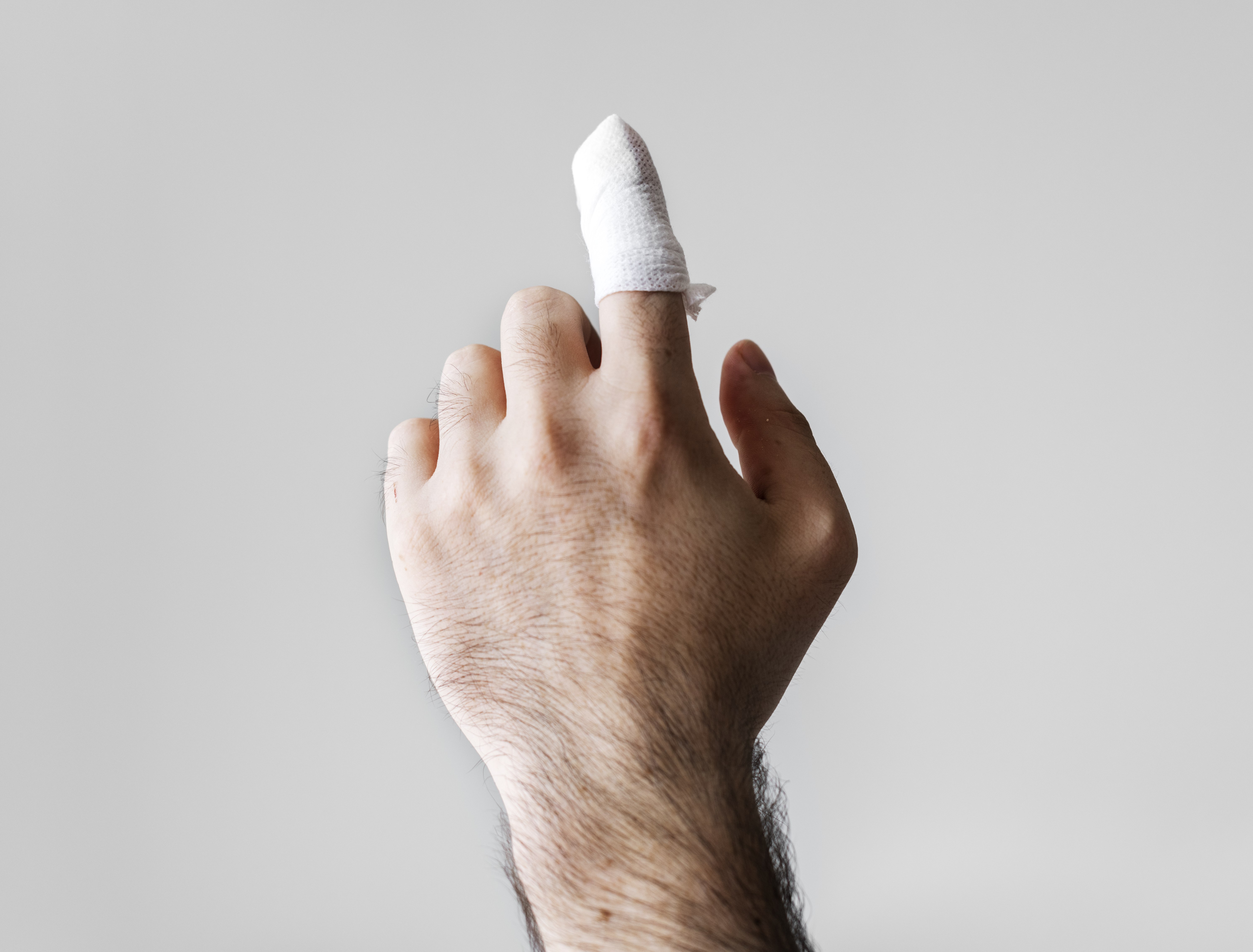
Losing a finger changes small, everyday moments: pulling on gloves in winter, protecting your hands at work, or simply feeling comfortable in public. A common question soon after surgery is whether you can wear gloves again, and which kind will work.
The short answer is yes, in most cases, once your wound has healed and your doctor approves. This guide covers when it is safe to start, how to choose gloves for amputated fingers, the common problems people run into, and when a custom silicone prosthetic hand or finger may suit you better.
When Can You Start Wearing Gloves After a Finger Amputation?
There is no single timeline. Healing depends on the type of injury, the surgery, your overall health, and how well the wound closes. As a general rule:
- Right after surgery, you will have dressings or bandages, and gloves are usually not appropriate.
- While the wound is healing, pressure, friction, or moisture from a glove can irritate the site or delay recovery.
- Once the wound has closed and your surgeon or hand therapist says it is safe, you can usually begin wearing gloves, often starting with soft, loose styles.
Always follow your surgeon’s and hand therapist’s advice. If you notice redness, swelling, drainage, increasing pain, or an opening in the skin after wearing a glove, stop and contact your care team.
Why Gloves Matter After Finger Loss
Gloves do more than keep hands warm. For people with an amputated finger, they can help in several ways:
- Protection. The amputation site can be tender and sensitive for months. A glove cushions it from bumps and rubbing.
- Cold-weather comfort. Many people report that the area becomes more sensitive to cold after amputation.
- Work safety. Gloves protect the remaining fingers and the healing site on job sites, in kitchens, and in workshops.
- Appearance. Some people simply prefer to cover the hand while they adjust emotionally.
Types of Gloves for Amputated Fingers
You have several options, and the right one depends on what you need most.
Everyday and cold-weather gloves. Standard gloves work for many people, but the empty finger space can feel awkward or collapse. Some wearers choose gloves with a softly padded or stuffed finger so the empty space holds its shape. Others prefer mittens, which leave more room.
Work gloves. For manual jobs, look for durable gloves with a snug but not tight fit, good grip, and padding at the hand’s impact points. Your needs differ if you handle tools, machinery, or chemicals, so choose gloves rated for those conditions.
Fingerless or partial-finger gloves. These can suit people who want to keep touch sensitivity or who find a covered finger space uncomfortable.
Custom-modified gloves. Some people have a tailor adjust an ordinary glove by shortening or reshaping a finger so it fits the amputated digit neatly.
What to Look For When Choosing Gloves
Whatever style you choose, check for these features:
- Soft interior lining. Rough seams can irritate a sensitive amputation site.
- Correct size. Gloves that are too tight add pressure, and gloves that are too loose slip and bunch.
- Flexible material. Soft leather, stretch fabric, or quality synthetics move with the hand.
- Breathability. Trapped moisture can irritate healing skin.
- Padding where needed. Extra cushion over the amputation site absorbs bumps.
- Easy on and off. Wide cuffs and stretch fabric make dressing simpler, especially with a healing hand.
Try gloves on both hands, move your fingers, and make sure nothing presses on the sensitive area.
Common Challenges with Gloves After Amputation
Many people find that gloves help but do not solve everything. Typical frustrations include:
- The empty finger collapses or flops, which looks unnatural and can catch on objects.
- Padding shifts, leaving the finger shape uneven during the day.
- Reduced dexterity, since bulky gloves make it harder to feel and handle small items.
- Visible difference. Gloves cover the hand, but they cannot restore the look of a complete hand in situations where you take them off or can’t wear them, such as at a desk, at dinner, or in a handshake.
- Seasonal limits. You can’t wear gloves comfortably in warm weather or indoors, which means your hand is exposed in many daily situations.
If these issues sound familiar, you are not alone. They are among the main reasons people begin looking at prosthetic options.
When a Silicone Prosthetic Hand or Finger May Be a Better Fit
Gloves cover a missing finger. A custom prosthesis replaces its appearance and can help with everyday use. At Finger Prosthetics, we create custom silicone finger prosthetics, thumb prosthetics, and partial and full hand prosthetics from medical-grade silicone.
A well-made silicone prosthesis can offer benefits that gloves cannot:
- A natural look all year. It is color-matched to your skin and shaped to your hand, with details such as wrinkles, pores, fingerprints, and nail beds.
- Protection for sensitive tissue. It can shield the amputation site from bumps and sensitivity.
- Everyday support. Depending on the design, it can help with gripping, typing, holding objects, and balancing your hand.
- Confidence without covering up. Many wearers say the result is so lifelike that people around them do not notice it.
Prosthetic fingers are not a medical cure for every concern, and the level of function depends on the design and your level of amputation. A specialist can explain what is realistic for your situation.
Gloves or Prosthesis? You May Not Have to Choose
Some people use both. A lifelike prosthesis can be worn in daily life and at social or professional events, while gloves still make sense for winter, heavy work, or sports. If you plan to wear gloves over a prosthesis, mention that during your consultation so the fit and finish take it into account.
Here is a simple way to think about it:
- Choose gloves if you mainly need temporary protection, warmth, or workplace safety.
- Consider a prosthesis if you want a natural appearance, ongoing protection, and added daily support.
- Combine them if you want the benefits of both.
What the Prosthetic Process Looks Like
If you decide to explore a prosthesis, here is how the process usually works:
- Free consultation to discuss your goals and options.
- Measurements, molds, and photographs of your hand.
- Skin-tone matching with advanced pigmentation.
- Handcrafting of the silicone prosthesis.
- Fitting and adjustments for comfort and security.
Because every prosthesis is handcrafted, the process usually takes several weeks. You can preview real results in our gallery and read client testimonials.
Caring for Your Hands, and Any Prosthesis
Good hand care helps whether you wear gloves, a prosthesis, or both:
- Keep the amputation site clean and dry
- Moisturize healthy skin and follow your therapist’s scar-care advice
- Protect the area from extreme cold and heat
- Check the skin regularly for redness, blisters, or irritation
If you have a silicone prosthesis, clean it with mild soap and lukewarm water and avoid harsh chemicals. Our pages on care of your prosthesis, use of your prosthesis, and prosthetic function and comfort explain everyday use in detail.
Take the Next Step
You can wear gloves after a finger amputation once you are healed and cleared by your care team, and the right pair can make daily life safer and more comfortable. If you want a solution that looks natural all year and supports your hand, a custom silicone prosthesis may be worth exploring.
Finger Prosthetics serves patients across the United States, and we can meet you at home, at your doctor’s office, or at our main office. Learn more about our team, find a location near you, read more on our blog, or book your free consultation. You can also call (800) 670-9550.
This article is for general education and is not a substitute for personal medical advice. Always follow the guidance of your surgeon and hand therapist.