
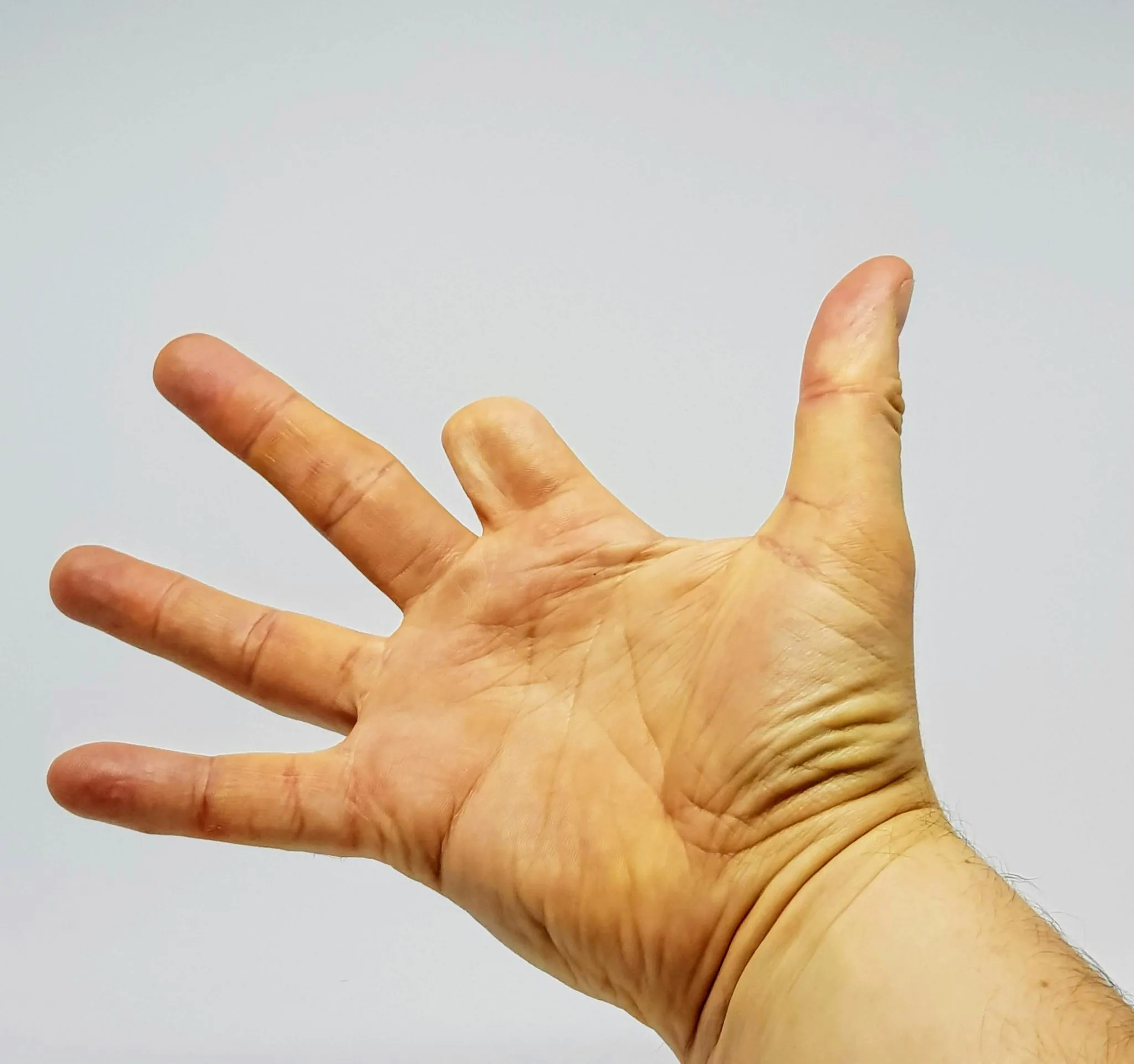
Underneath so many of the practical questions people ask about finger prosthetics sits one quieter, more vulnerable fear: will this hurt? Maybe your residual finger is still sensitive from surgery, or maybe you’re simply afraid of adding discomfort to a hand that’s already been through so much. That fear is valid, and it deserves a direct, honest answer rather than a vague reassurance.
The short answer: a properly fitted finger prosthesis should not be painful. Some adjustment and mild sensitivity are normal at first, but ongoing pain is not something you should have to accept.
Why a Well-Made Prosthesis Shouldn’t Hurt
The entire purpose of a custom finger prosthetics fitting is to avoid the discomfort that comes from generic, ill-fitting devices. Because your prosthesis is built from a precise impression of your own residual finger, it’s shaped to sit against your skin the way it was designed to, not stretched, pinched, or forced into place. A silicone finger in particular is soft and flexible, moving with your hand rather than resisting it throughout the day.
What “Normal” Adjustment Feels Like
It’s common to notice some awareness of the prosthesis during the first days or weeks, especially if your residual finger is still healing from a finger amputation. This might feel like mild pressure, a slight warmth, or simply the unfamiliar sensation of wearing something new. This kind of adjustment period is expected and typically fades as your skin and soft tissue get used to daily wear.
What should never be considered “normal,” however, is sharp pain, persistent rubbing, skin breakdown, or ongoing irritation. If you experience any of these, it’s a sign the fit needs to be reassessed, not something to push through silently.
How Retention Method Affects Comfort
The way a prosthesis stays attached plays a big role in comfort. Suction retention and anatomical suspension are designed to hold the prosthesis securely without unnecessary pressure on sensitive areas. For patients using a robotic finger prosthesis, mechanical components are carefully positioned to avoid placing strain directly on the residual limb during movement or grip.
If adhesive is used for extra security, it’s chosen specifically for gentle, skin-safe wear, not something that tugs or irritates with each use.
Sensitive Skin After Finger Amputation
Many people don’t realize just how sensitive a residual finger can be in the months following amputation. Nerve endings that once extended through the full finger are now closer to the surface, which can make certain textures or pressure points feel more noticeable at first. This is exactly why a fingertip prosthetic or full finger prosthesis needs to be built around your specific healing timeline and sensitivity level, not a generic template.
What Different Options Mean for Comfort
A permanent prosthetic finger, designed for consistent daily wear, is built with long-term comfort in mind from the very first fitting. An amputated finger cover, often chosen for lighter cosmetic use, tends to feel especially gentle since it’s typically worn for shorter periods or specific situations. Whatever type of artificial finger prosthesis you choose, comfort should never be an afterthought, it should be part of the very first conversation you have with your specialist.
You Deserve to Feel Comfortable, Not Just “Manage”
We’ve spoken with amputees finger prosthetics patients who assumed some ongoing discomfort was simply “part of the deal.” It isn’t. If something doesn’t feel right, whether it’s during the first fitting or months into daily wear, that feedback matters, and adjustments can and should be made. Your prosthesis is meant to support your life, not quietly become another source of pain you carry.
We’ll Come to You to Get the Fit Right
Comfort isn’t something we guess at from a distance. Our team comes directly to your doorstep, wherever you are across the USA, whether that’s your home, your doctor’s office, or another comfortable space near you, so your fit can be assessed and adjusted in person, exactly where you live your daily life.
You can find the full list of communities we personally serve on our locations page, including care available in New Orleans, Oklahoma City, Tucson, Albuquerque, and many more towns and cities nationwide.
To learn more about comfortable, everyday wear, visit our Care of Prosthesis and Prosthetic Functionality pages. You can also read genuine reflections from patients in our client testimonials, or explore our main finger prosthetics page for a full overview.
Ready for Comfort, Not Compromise?
You shouldn’t have to choose between looking whole and feeling comfortable. A properly fitted finger prosthesis is built to give you both.
“Whether you’d prefer to visit our clinic or have us meet you at home, the choice is yours. We proudly serve patients across the entire USA — book your free consultation and we’ll arrange whatever works best for you.”
Frequently Asked Questions
- Should a finger prosthesis hurt when I first start wearing it?
No, ongoing pain isn’t normal, though mild awareness or a short adjustment period during the first days or weeks can be expected. - What should I do if my finger prosthesis feels painful?
Persistent pain, rubbing, or irritation should be reported to your specialist so the fit can be reassessed and adjusted. - Is a silicone finger more comfortable than other materials?
Many patients find silicone comfortable due to its soft, flexible nature, which moves naturally with the hand rather than resisting it. - Can a robotic finger prosthesis cause discomfort during use?
Mechanical components are positioned to avoid unnecessary strain, though your specialist will ensure fit and movement feel comfortable for your specific needs. - Is it normal for my residual finger to feel sensitive after amputation?
Yes, increased sensitivity is common after finger amputation, and your prosthesis should be built around this sensitivity, not despite it. - Does adhesive retention cause skin irritation?
When used, adhesive is chosen specifically for gentle, skin-safe wear rather than something that pulls or irritates the skin. - Can a fingertip prosthetic feel comfortable on very sensitive tissue?
Yes, fingertip prosthetics are built with extra attention to sensitivity and fit, since more nerve-rich tissue often remains at this level. - Is an amputated finger cover more comfortable than a permanent prosthetic finger?
Both are designed for comfort, though an amputated finger cover is often used for shorter or lighter wear, which some patients find especially gentle. - What if my prosthesis feels fine at first but becomes uncomfortable later?
This is worth mentioning to your specialist as well, since ongoing fit adjustments are a normal part of long-term comfort and care.