
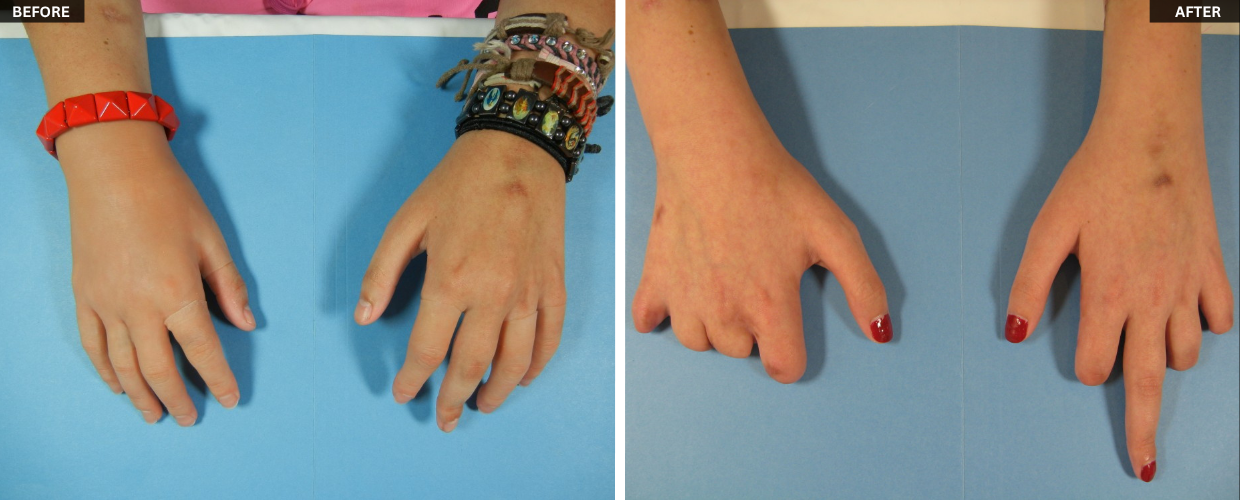
Losing a finger — whether from an accident, surgery, illness, or a birth difference — changes more than your grip. It changes how you shake hands, type, hold your kids, cook, play an instrument, and simply show up in a room without thinking about your hand. If you’re researching finger prosthetics in New York, you’re probably trying to understand what’s actually possible today: how realistic these devices look, how they function, and what the process of getting one actually involves. This guide walks through all of it.
What Is a Custom Finger Prosthesis?
A finger prosthesis is a custom-sculpted, medical-grade silicone replacement for a missing finger or fingertip. Unlike an off-the-shelf cover bought online, a true custom prosthetic finger starts with a mold taken directly from your own hand. From there, a skilled anaplastologist hand-paints the silicone in translucent layers to recreate your exact skin tone, the subtle color variation across your knuckles, visible veining, and the shape and shine of your fingernail. Done properly, a silicone finger is very difficult to distinguish from a natural one, even in close conversation or under bright light.
At Finger Prosthetics, every prosthesis is custom-designed and custom-fit for the individual wearer — not mass-produced from a catalog of standard shapes and sizes. That distinction is exactly why patients across the greater New York area seek out a specialist rather than a generic supplier.
Who Needs a Finger Prosthesis?
Finger loss happens for more reasons than most people realize, and a custom prosthesis can help with nearly all of them:
- Traumatic injury — table saws, factory machinery, car doors, and sports injuries are among the most common causes seen in a busy city like New York.
- Surgical amputation — sometimes necessary due to severe infection, tumor removal, or a crush injury that can’t be salvaged.
- Vascular disease and diabetes complications — reduced blood flow can lead to tissue loss requiring amputation of one or more digits.
- Congenital differences — some people are born with a partially formed or missing finger and choose a prosthesis later in life for both function and appearance.
Whatever the cause, the emotional impact tends to be similar: people describe feeling self-conscious in meetings, avoiding handshakes, or getting tired of explaining what happened to strangers. A well-made prosthesis addresses both the physical and the emotional side of that experience.
Fingertip Prosthetic vs. Full Finger Prosthesis
Not every amputation is the same, and your prosthesis shouldn’t be either:
- Fingertip prosthetic — designed for partial finger loss at or near the last knuckle. It restores natural length, a realistic nail, and cushioning that makes daily tasks like typing and gripping more comfortable.
- Full finger prosthesis — replaces the entire digit starting from the base knuckle, attached securely over the residual finger by suction.
- Amputated finger cover — a simpler protective and cosmetic option for people who want coverage of the residual area without a fully custom sculpted build.
A specialist will assess your specific level of amputation, the condition of the residual tissue, and your daily activities before recommending which option is the right fit — this is exactly what your free evaluation is for.
How the Custom Fitting Process Works
Many people put off looking into a finger prosthesis simply because they aren’t sure what the process involves. Here’s a general overview of what to expect:
- Free consultation — a specialist reviews your residual anatomy, discusses your lifestyle and goals, and answers your questions with zero obligation to proceed.
- Molding — a detailed impression is taken of your hand and the remaining finger structure, capturing the exact contours needed for a secure, comfortable fit.
- Sculpting and color matching — the silicone prosthesis is custom-built and hand-painted in layers to match your unique skin tone, knuckle lines, and fingernail shape.
- Fitting and adjustments — the finished prosthesis is fitted to confirm it sits securely and comfortably, with adjustments made as needed.
- Ongoing care guidance — you’ll receive instructions for cleaning, storing, and maintaining your prosthesis so it lasts as long as possible.
Finger Prosthetics can complete this process in your home, at your doctor’s office, or in-office, which makes it especially convenient for New Yorkers juggling busy schedules across the five boroughs.
Why New Yorkers Choose Custom Silicone Over Generic Covers
Generic prosthetic covers are built to a standard mold, not your hand — which means the color, size, and shape are often noticeably “off,” especially in good lighting. A custom silicone finger prosthesis is sculpted specifically to match your remaining fingers, so it holds up under scrutiny in client meetings, on stage, at a dinner table, or in a first handshake with someone new. Many patients say their own family members and coworkers never noticed until they were told.
There’s also a functional advantage. Because the prosthesis is molded from your exact anatomy, it fits securely by suction with no slipping, no adhesive residue, and no daily hassle — a meaningful difference for anyone who has tried a generic, poorly fitted alternative.
Insurance and Payment Options
Every patient’s situation is different, and rather than publish generic numbers that may not apply to you, Finger Prosthetics handles this the right way: during your free consultation, a specialist will review your case and, if you’d like, contact your insurance provider directly to determine what your plan covers. This is a free service with no obligation — you decide whether to move forward only after you know exactly where you stand.
Getting Started in New York
Finger Prosthetics serves clients throughout the greater New York area, including the outer boroughs and nearby New Jersey communities such as Newark and Jersey City — see full New York service details here. The process always begins the same way: a free, no-obligation consultation where a specialist reviews your anatomy, listens to your goals, and walks you through your options.
If you’re also exploring solutions beyond a single finger, take a look at our guides on custom thumb prosthetics and partial hand prosthesis solutions for a fuller picture of what’s available.
Frequently Asked Questions
How long does a silicone finger prosthetic last?
With proper care, most silicone finger prosthetics last one to three years before needing refinishing or replacement, depending on how heavily they’re used day to day.
Can a finger prosthetic restore feeling?
Many wearers describe a sensation called proprioception — the silicone cradles the residual finger closely enough that vibration and pressure transfer through to the nerve endings, so the prosthesis feels like part of the hand rather than a foreign object.
Does insurance cover finger prosthetics?
Coverage varies by plan, but many major insurance providers, Medicare, Medicaid, and Veterans Affairs benefits offer some level of coverage for medically necessary prosthetic devices. A specialist can verify your specific benefits for you at no charge.
Do I need a referral from a hand surgeon to get started?
No. Any physician who is aware of your condition can provide the documentation needed — you don’t need to see a hand specialist specifically.
How soon after an amputation can I be fitted for a prosthesis?
Timing depends on how well the residual area has healed. A specialist will evaluate your situation during your consultation and let you know when you’re ready to begin.
Will a finger prosthesis fall off during normal activities?
No. Because each device is custom-molded and form-fitted to your exact anatomy, it stays securely in place through suction, without straps or adhesives.
Can I still get a prosthesis if I live outside Manhattan?
Yes — Finger Prosthetics serves the entire greater New York area, including all boroughs and surrounding New Jersey communities, with in-home and in-office options.
Is the fitting process painful?
No, molding and fitting are non-invasive and designed to be as comfortable as possible.
Can old or worn prosthetics be refurbished instead of replaced?
Yes — existing prosthetic devices can often be refurbished and refinished for a renewed appearance rather than fully replaced. Ask about this option during your consultation.
Ready to see what’s possible? Book your free consultation with Finger Prosthetics today, or call (800) 670-9550 to speak with a specialist.