
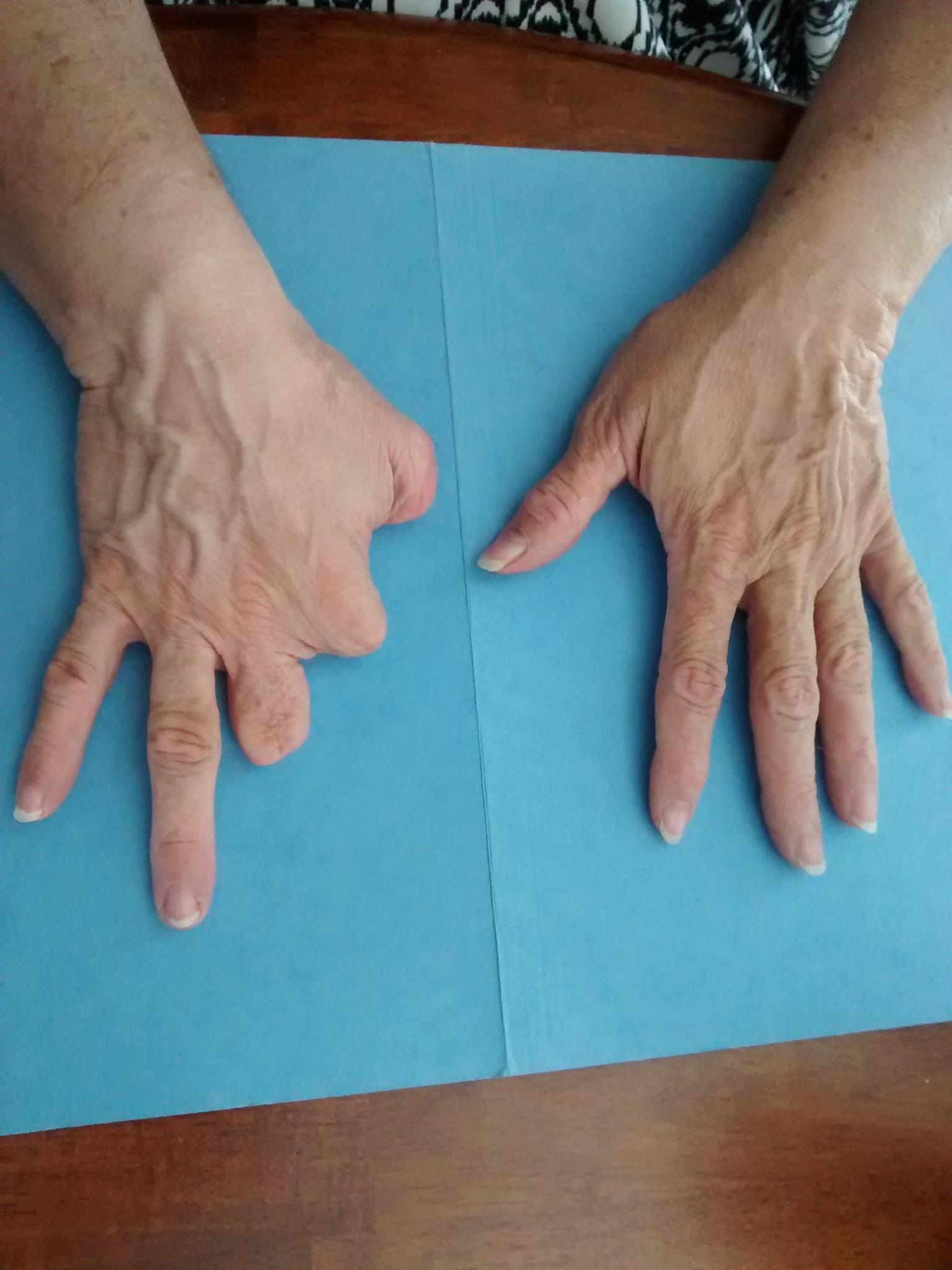
Choosing Finger Prosthetics is an important step toward restoring confidence after a finger amputation. Whether you’ve lost a finger because of an accident, a medical condition, or a congenital limb difference, one of the most common questions people ask is, “What happens during the prosthetic fitting process?”
The fitting process is one of the most important stages of creating Custom Finger Prosthetics because every prosthesis is made specifically for the individual. Unlike ready-made products, a custom prosthetic is carefully measured, designed, and fitted to match your unique anatomy, ensuring a comfortable fit and an incredibly realistic appearance.
If you’re considering Finger Prosthetics in Omaha, NE, understanding each step of the fitting process can help you feel more confident and prepared before your first appointment.
Why Is the Fitting Process So Important?
No two hands are exactly alike. Finger length, skin tone, finger shape, and the condition of the residual limb vary from person to person. A detailed fitting process allows your prosthetist to create a prosthesis that looks natural while remaining comfortable throughout the day.
A properly fitted prosthesis offers several benefits, including:
- Improved comfort
- Secure fit
- Natural appearance
- Better confidence during social interactions
- Reduced movement during daily wear
- Long-lasting performance
Whether you need a Silicone Finger, Artificial Finger Prosthesis, or Permanent Prosthetic Finger, the fitting process lays the foundation for successful results.
Step 1: Initial Consultation
Every prosthetic journey begins with a personalized consultation.
During this appointment, your prosthetist will discuss:
- Your medical history
- Cause of your Finger Amputation
- Daily lifestyle
- Work requirements
- Personal expectations
- Cosmetic goals
- Functional needs
This conversation helps determine which type of Finger Prosthetics will best meet your needs.
Step 2: Physical Evaluation
The next step involves a careful examination of your hand and residual finger.
Your prosthetist evaluates:
- Skin condition
- Scar tissue
- Finger length
- Joint mobility
- Circulation
- Healing progress
- Soft tissue condition
Even patients who experienced a Finger Amputation years ago are often excellent candidates for Custom Finger Prosthetics if the residual limb is healthy.
Step 3: Measurements and Digital Scanning
Precision is essential when creating realistic prosthetics.
To ensure a perfect fit, your provider may use:
- Digital scanning technology
- Silicone impressions
- Detailed measurements
- High-resolution photography
- 3D reference images
These measurements allow the prosthetic to mirror your existing fingers as closely as possible.
Step 4: Skin Tone and Nail Matching
One of the defining features of modern Finger Prosthetics is their natural appearance.
Your prosthetist carefully studies details such as:
- Skin tone
- Color variations
- Finger texture
- Fingernail color
- Nail shape
- Freckles
- Wrinkles
- Veins
Every Silicone Finger is individually pigmented to create a seamless appearance that blends naturally with your hand.
Step 5: Choosing the Right Prosthetic
Not every patient requires the same type of prosthesis.
Depending on your needs, your provider may recommend:
Silicone Finger
A Silicone Finger is ideal for patients who want a realistic cosmetic restoration with a lightweight and comfortable design.
Artificial Finger Prosthesis
An Artificial Finger Prosthesis is custom-built to replace one or more missing fingers while restoring the natural appearance of your hand.
Fingertip Prosthetic
If you’ve experienced partial finger loss, a Fingertip Prosthetic restores the missing section while maintaining the appearance of your remaining finger.
Robotic Finger Prosthesis
For selected cases, a Robotic Finger Prosthesis may be considered when additional functional movement is desired.
Your prosthetist will explain the advantages of each option before fabrication begins.
Step 6: Fabrication of Your Custom Finger Prosthetics
After measurements and design approval, your prosthesis enters the fabrication phase.
Each prosthesis is handcrafted using high-quality medical-grade silicone and advanced artistic techniques.
The fabrication process includes:
- Sculpting
- Molding
- Silicone processing
- Hand painting
- Texture creation
- Nail detailing
- Final finishing
Because every prosthesis is made individually, no two prosthetics are exactly alike.
Step 7: Final Fitting Appointment
Once fabrication is complete, you’ll return for your fitting.
During this appointment, your prosthetist will:
- Check the overall fit
- Ensure proper alignment
- Evaluate comfort
- Make small adjustments if necessary
- Teach you how to wear and remove the prosthesis
- Review cleaning and maintenance instructions
This step ensures your Permanent Prosthetic Finger fits securely and comfortably.
What Happens After the Fitting?
Receiving your prosthesis isn’t the end of the journey.
Your prosthetist may schedule follow-up visits to:
- Check the fit
- Address any concerns
- Perform adjustments
- Answer questions
- Ensure long-term comfort
These appointments help maximize the lifespan and performance of your prosthesis.
Can an Amputated Finger Cover Replace a Custom Prosthetic?
Some patients search online for an Amputated Finger Cover, thinking it’s the same as a prosthetic.
While an amputated finger cover may conceal the appearance of a missing finger, it typically lacks the personalized fit, realistic detailing, and long-term comfort of Custom Finger Prosthetics.
A professionally crafted prosthesis is designed specifically for your anatomy, making it a more natural and durable solution.
Why Omaha Residents Choose Finger Prosthetics
Patients from Omaha, Bellevue, Papillion, La Vista, Fremont, Council Bluffs, and nearby communities choose custom prosthetic care because of the personalized attention and realistic results available today.
Whether your injury resulted from agriculture, manufacturing, construction, sports, or another cause, a custom prosthesis can help restore confidence while supporting your everyday lifestyle.
Why Choose Finger Prosthetics?
At Finger Prosthetics, every patient receives individualized care from the first consultation through the final fitting. Our experienced team uses advanced fabrication techniques and premium materials to create prosthetic solutions that are comfortable, realistic, and tailored to your unique needs.
Our goal is to provide more than a prosthesis—we strive to restore confidence, independence, and peace of mind.
Schedule Your Consultation Today
If you’re considering Finger Prosthetics in Omaha, NE, now is the ideal time to begin your journey. Whether you need a Silicone Finger, Artificial Finger Prosthesis, Fingertip Prosthetic, or Permanent Prosthetic Finger, our team is here to guide you through every stage of the fitting process.
Contact us today to schedule your personalized consultation and discover how Custom Finger Prosthetics can help you move forward with confidence.
Frequently Asked Questions
1. How long does the Finger Prosthetics fitting process take?
The fitting process typically involves an initial consultation, measurements, fabrication, and a final fitting. The exact timeline depends on the complexity of your prosthesis.
2. Are Finger Prosthetics made specifically for me?
Yes. Every pair of Custom Finger Prosthetics is individually designed using your measurements, skin tone, and anatomy.
3. What is a Silicone Finger?
A Silicone Finger is a custom prosthesis made from medical-grade silicone that closely resembles a natural finger in appearance and feel.
4. Can I receive a Fingertip Prosthetic instead of replacing the entire finger?
Yes. A Fingertip Prosthetic is specifically designed for patients with partial finger amputations.
5. Is a Robotic Finger Prosthesis available for everyone?
Not always. A Robotic Finger Prosthesis is recommended only for certain patients based on their functional goals and level of amputation.
6. Is an Amputated Finger Cover the same as a prosthesis?
No. An Amputated Finger Cover is generally a simple cosmetic covering, while Custom Finger Prosthetics are individually fabricated to provide a realistic fit and appearance.
7. Will my Permanent Prosthetic Finger need adjustments?
Minor adjustments may be needed after fitting to ensure long-term comfort and optimal performance.
8. How do I begin?
Schedule a consultation with an experienced prosthetic specialist. They’ll evaluate your condition, discuss your goals, and recommend the best Finger Prosthetics solution for your needs.