
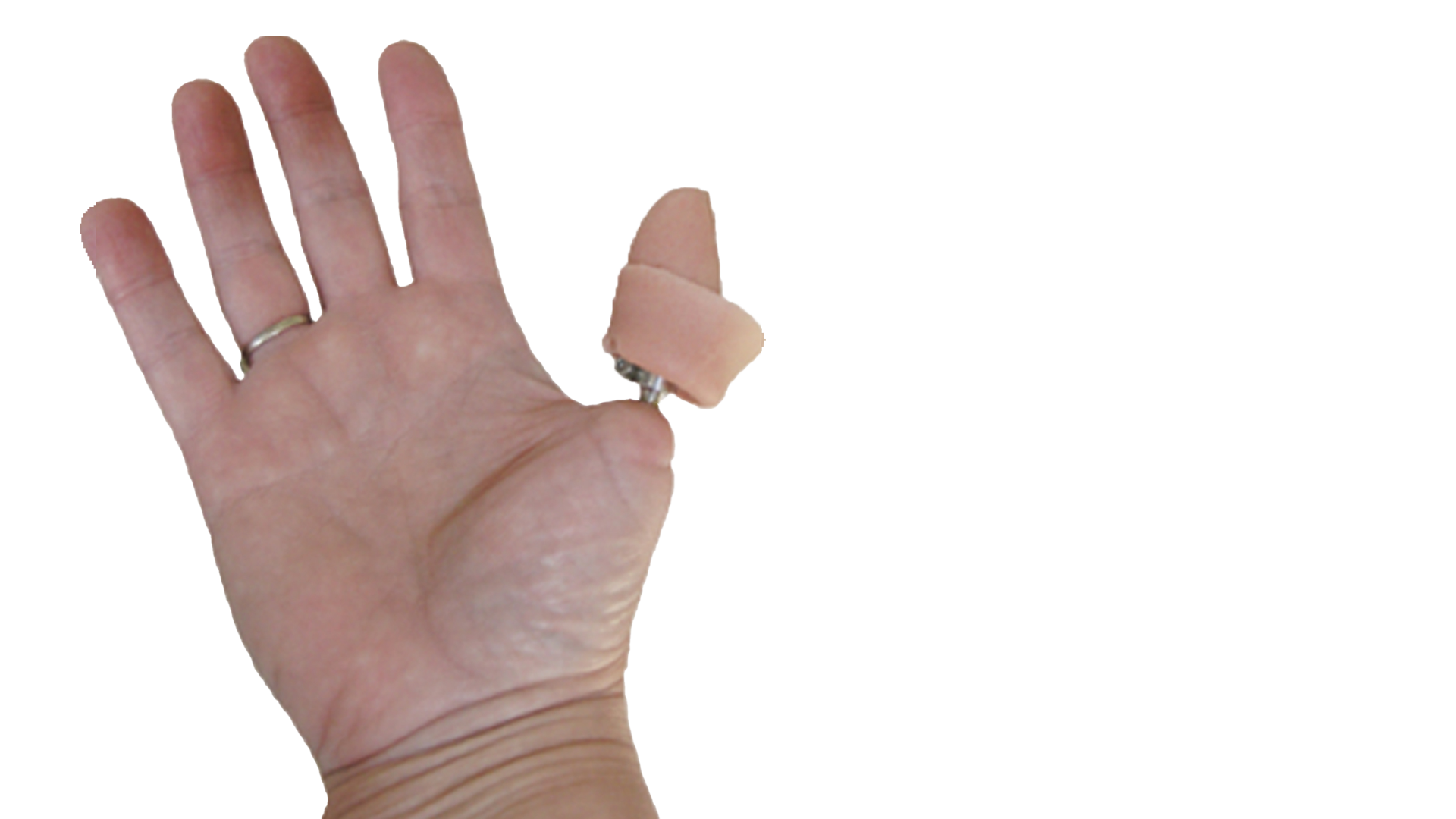
Most people don’t research prosthetics the day they lose a thumb. It usually happens weeks or months later, once healing has settled and the day-to-day reality of managing without it starts to sink in — struggling to hold a coffee mug, fumbling with buttons, or noticing the other fingers getting tired from picking up the slack. If that’s where you are right now, this guide walks through what actually changes, what your realistic options look like, and what’s worth asking before you commit to anything.
Contact us for a free consultation whenever you’re ready — there’s no pressure to decide today.
What Changes Right Away vs. What Changes Over Time
It helps to separate the immediate practical changes from the longer adjustment process, since they call for different kinds of support.
Right away, most people notice grip and pinch strength drop sharply — the thumb does roughly 40-50% of your hand’s overall work, so its absence shows up fast in small tasks: phones, zippers, jar lids, keys.
Over the following weeks, the remaining fingers often start compensating, which can lead to fatigue or strain if that compensation isn’t managed with proper technique — this is where occupational therapy earns its value, well before anyone considers a thumb prosthetic.
Months later, the bigger shift tends to be less about the physical task itself and more about confidence — handshakes, using a keyboard in front of coworkers, or simply not thinking about your hand in every interaction.
The Decision Point: When People Actually Reach Out
There’s no universally “right” time to look into a prosthetic thumb, and waiting doesn’t mean you’ve missed a window. In practice, people tend to reach out around one of a few moments:
- They’ve tried adapting on their own and hit a wall — usually fatigue or discomfort in the remaining fingers from overcompensating
- A specific event is coming up — returning to work, a family occasion — and appearance or function feels newly urgent
- They’ve simply had enough time to process the loss and are ready to explore what’s actually possible
None of these is more “correct” than the others. Reaching out earlier just means you have more information before you need to make a decision, not that you’re committing to anything.
Comparing Your Options at a Glance
If your top priority is confidence and appearance: a cosmetic silicone thumb, color- and texture-matched to your remaining hand, is usually the strongest fit. Learn more about our silicone options.
If your top priority is regaining grip and pinch function: a functional prosthetic restores opposition — the thumb’s ability to press against your fingers — which is what most gripping and holding tasks actually depend on.
If you want both: hybrid devices combine cosmetic realism with mechanical support, at the cost of slightly more complexity in fitting and adjustment.
There’s no wrong answer here — the right fit depends entirely on what you actually do with your hands day to day, which is exactly what a real consultation is for.
A Local Story
A Louisville restaurant manager put off exploring prosthetics for months, assuming he’d simply adapt. Over time, the strain of compensating with his remaining fingers started causing real discomfort, especially during long shifts handling utensils and equipment. Once fitted with a custom thumb prosthetic, he reported less fatigue by the end of a shift and noticeably smoother interactions with customers and staff — the kind of change that’s easy to underestimate until it’s gone.
Questions Worth Bringing to Your Consultation
Coming prepared with a few specific questions tends to make that first conversation far more useful:
- Based on what I do for work and at home, would you recommend cosmetic, functional, or hybrid?
- What does a realistic timeline look like from consultation to a finished, comfortable fit?
- Will I need ongoing therapy alongside the prosthetic, or is fitting mostly a one-time process?
- What happens if my needs or preferences change after I’ve been wearing it for a while?
You can browse real patient outcomes and before/after examples or read more in our resource articles before your visit if you want a head start.
Frequently Asked Questions
I’m not sure I’m ready to commit to a prosthetic yet — is it worth talking to someone anyway?
Yes. A consultation is informational, not a commitment. Many people find that simply understanding their real options reduces the uncertainty that’s often harder than the decision itself.
Does my occupation affect which type of thumb prosthetic makes sense?
Significantly. Someone doing detailed manual work has very different needs than someone in a primarily desk-based role — this is one of the first things worth discussing in your consultation.
If I choose a cosmetic option now, can I switch to a functional one later?
In many cases, yes — we can walk through what that transition would involve based on your specific residual thumb and prior fitting.
Is there a wrong time to start this process?
No. Whether it’s been three months or three years since your amputation, the evaluation process starts from where you are now, not from how long it’s been.
Take the Next Step
If you’re in Louisville or nearby and thinking about what comes next, start with a conversation, not a decision. Explore our thumb prosthetic solutions, browse hand prosthetic options if your needs extend beyond the thumb, or contact us directly to schedule your free consultation.