
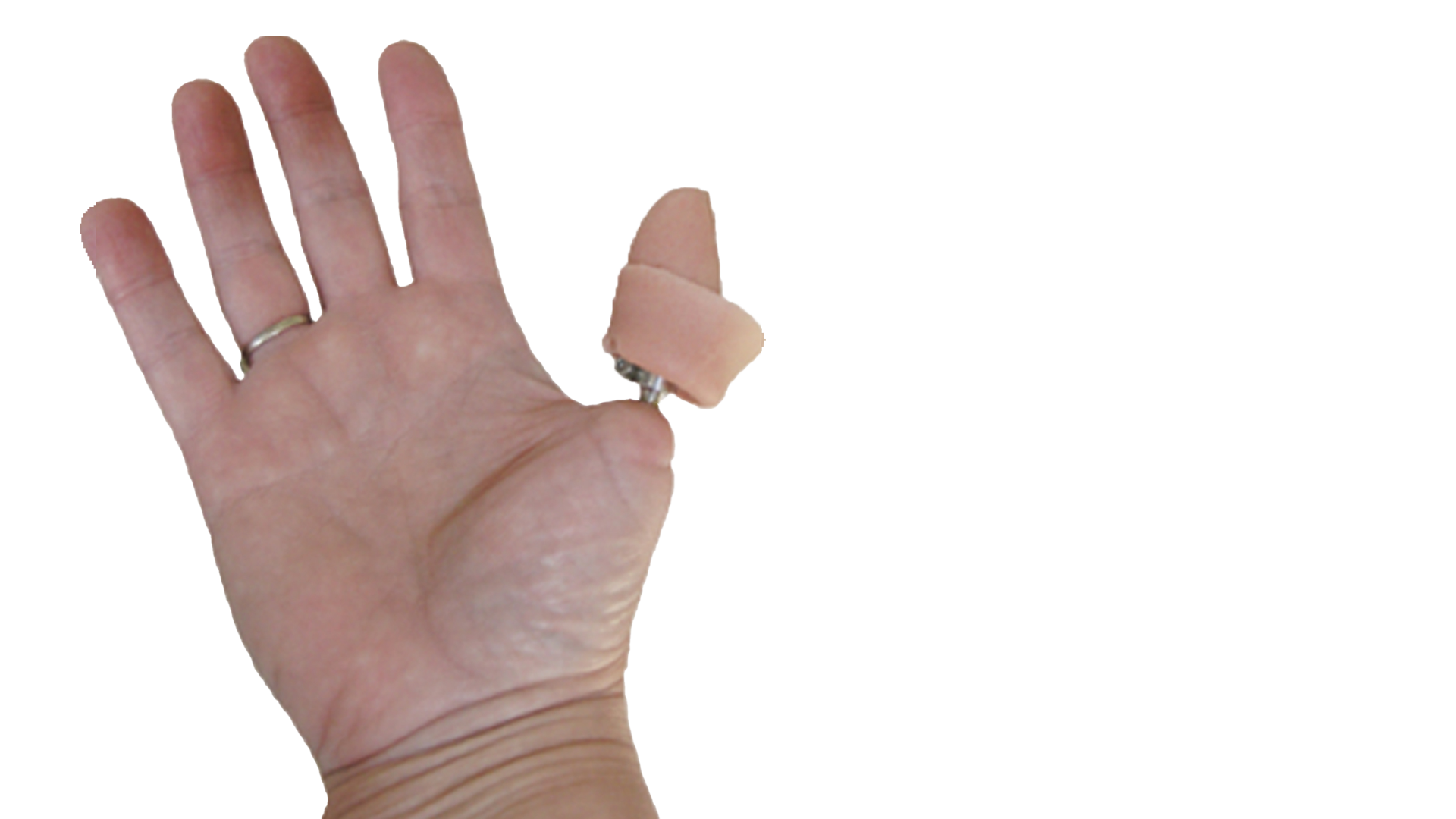
Losing thumb function can significantly affect everyday independence. The thumb contributes to nearly half of the hand’s overall functionality, making activities like holding objects, typing, cooking, or driving challenging after amputation or injury. Advances in prosthetic technology have introduced robotic thumb prostheses that restore both movement and confidence for individuals seeking practical, modern solutions in Minneapolis.
Contact us For Free Consultation: https://fingerprosthetics.com/form/
This article explains how robotic thumb prostheses improve grip strength, enhance mobility, and support long-term quality of life.
Why the Thumb Is Essential for Hand Function
The thumb enables opposition—the ability to touch fingers and create controlled grip patterns. Without it, common actions become difficult or inefficient.
A robotic thumb prosthesis is designed to replicate natural thumb motion through engineered joints, responsive components, and personalized fitting. Instead of serving only cosmetic purposes, modern devices focus on restoring real functional performance.
How Robotic Thumb Prostheses Improve Grip Strength
Adaptive Grip Patterns
Robotic thumb prostheses are engineered to support multiple grip types, including:
- Precision grip for holding pens or small tools
- Power grip for lifting objects
- Pinch grip for daily tasks like buttoning shirts
These adaptive movements allow users to perform tasks that would otherwise require compensation from the remaining fingers or the opposite hand.
Enhanced Stability and Control
Unlike traditional passive prosthetics, robotic systems provide controlled positioning. The thumb remains stable when grasping objects, reducing slips and improving safety during activities such as cooking, working, or exercising.
Many users report increased confidence because they can securely hold items without constant visual monitoring.
Natural Motion Mechanics
Modern robotic designs mimic natural biomechanics. Carefully aligned joints and lightweight materials allow smoother transitions between open and closed positions, helping movements feel intuitive rather than mechanical.
Improving Mobility and Daily Independence
Restoring Functional Movement
Mobility is not just about walking—it also includes how effectively a person interacts with their environment. A robotic thumb prosthesis supports independence in:
- Personal grooming
- Household tasks
- Office or computer work
- Recreational activities
By restoring functional hand motion, users can return to routines that support employment and social engagement.
Reduced Physical Strain
Without a thumb, individuals often overuse other muscles to compensate. Robotic prostheses redistribute workload across the hand, reducing fatigue and preventing long-term strain injuries in the wrist, elbow, and shoulder.
Custom Fit for Active Lifestyles
In Minneapolis, where seasonal activities vary from outdoor sports to indoor professional work, customization is essential. Prosthetic specialists tailor alignment, size, and movement response to match the user’s daily demands, ensuring both durability and comfort.
Advanced Technology Behind Robotic Thumb Prostheses
Personalized Design and Fabrication
Modern prosthetics use advanced scanning and modeling techniques to achieve precise anatomical matching. This ensures:
- Comfortable wear throughout the day
- Improved weight distribution
- Better cosmetic appearance
A customized prosthesis integrates seamlessly with the user’s hand rather than feeling like an external tool.
Functional Training and Rehabilitation
Technology alone does not guarantee success. Rehabilitation and guided training help users learn how to maximize grip efficiency and mobility. Occupational therapy often plays a key role in adapting movements to individual goals and professions.
Psychological and Lifestyle Benefits
The impact of a robotic thumb prosthesis extends beyond physical function. Regaining hand capability often leads to:
- Increased self-confidence
- Greater social participation
- Improved emotional well-being
When individuals regain control over daily activities, they experience a renewed sense of independence that supports overall quality of life.
Choosing the Right Robotic Thumb Prosthesis in Minneapolis
Selecting a prosthesis requires professional evaluation, lifestyle assessment, and ongoing support. Patients benefit most when technology, clinical expertise, and long-term follow-up care work together.
Consulting experienced prosthetic specialists ensures the device aligns with personal goals—whether returning to work, hobbies, or everyday independence.
A well-designed robotic thumb prosthesis can transform grip performance, restore mobility, and help individuals confidently reconnect with daily life through advanced, patient-centered care offered by Finger Prosthetics.
Frequently Asked Questions (FAQs)
1. How does a robotic thumb prosthesis work?
A robotic thumb prosthesis uses engineered joints and mechanical or electronic systems to recreate thumb movement, enabling gripping, pinching, and object stabilization.
2. Can a robotic thumb prosthesis restore full hand function?
While it may not completely replicate a natural thumb, modern designs significantly improve grip strength, coordination, and independence in daily tasks.
3. Who is a good candidate for a robotic thumb prosthesis?
Individuals with partial hand or thumb amputation, stable residual limb health, and functional goals related to work or daily activities are often strong candidates.
4. How long does it take to adapt to a robotic thumb prosthesis?
Most users adapt within weeks to a few months, depending on therapy participation, device customization, and personal activity level.
5. Is rehabilitation necessary after receiving a prosthetic thumb?
Yes. Occupational therapy and guided training help users learn efficient movement patterns and maximize mobility benefits.
By combining innovation, customization, and rehabilitation, robotic thumb prostheses offer a meaningful path toward restored grip, improved mobility, and renewed independence.