
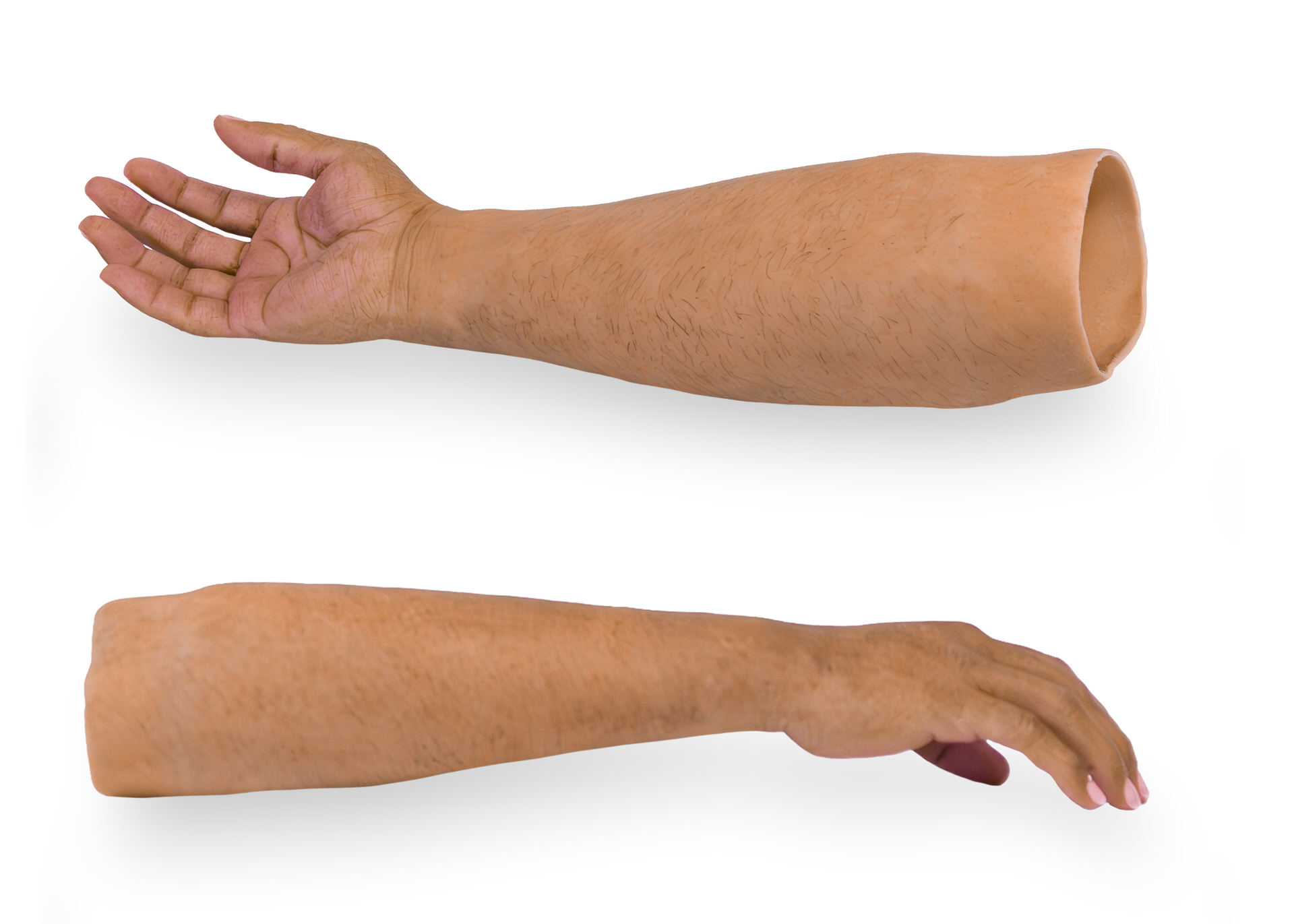
Losing part of an arm can significantly affect independence, mobility, and confidence. Fortunately, modern partial arm prosthetics rehabilitation focuses not only on restoring function but also on improving quality of life through personalized care, advanced technology, and structured therapy programs. Individuals in Orlando now have access to comprehensive rehabilitation pathways designed to help them adapt comfortably to prosthetic use and regain daily independence.
Contact us For Free Consultation: https://fingerprosthetics.com/form/
This guide explains the rehabilitation options available, what patients can expect during recovery, and how personalized prosthetic care supports long-term success.
Understanding Partial Arm Prosthetics Rehabilitation
Partial arm prosthetics rehabilitation is a structured medical and therapeutic process that helps individuals learn to use a prosthetic device safely and effectively. Rehabilitation begins soon after healing from surgery or injury and continues as patients adapt to new functional abilities.
The goal is not simply wearing a prosthetic—it is restoring real-life function such as gripping objects, driving, typing, cooking, or returning to work.
Why Rehabilitation Matters
Many patients believe receiving a prosthetic device is the final step. In reality, rehabilitation determines long-term comfort and usability. Proper training helps:
- Reduce muscle strain and fatigue
- Improve control and coordination
- Prevent skin irritation or pressure injuries
- Increase confidence in daily activities
Without rehabilitation, even advanced prosthetics may feel uncomfortable or underused.
Types of Partial Arm Prosthetic Options
Modern prosthetic technology offers several solutions depending on amputation level, lifestyle, and personal goals.
Body-Powered Prosthetics
Body-powered prosthetics use cables and harness systems controlled by shoulder or upper body movements.
Best suited for:
- Individuals seeking durability
- Active lifestyles or manual work
- Users who prefer mechanical reliability
These devices are lightweight and require less maintenance, making them popular for long-term use.
Myoelectric Prosthetics
Myoelectric prosthetics use electrical signals from muscles to control movement.
Key advantages include:
- Natural-looking movements
- Improved grip control
- Reduced physical strain
Patients typically undergo specialized training to learn muscle activation techniques during rehabilitation.
Passive or Cosmetic Prosthetics
Some individuals prioritize appearance and balance rather than complex movement.
These prosthetics help with:
- Stabilizing objects
- Improving posture
- Enhancing self-confidence in social settings
Rehabilitation focuses on functional positioning and daily integration.
Rehabilitation Programs Available in Orlando
Rehabilitation services in Orlando commonly combine multiple healthcare specialties to ensure complete recovery.
Occupational Therapy Training
Occupational therapists teach patients how to perform everyday tasks using their prosthetic limb.
Training often includes:
- Dressing and grooming techniques
- Kitchen and workplace adaptations
- Grip strength exercises
- Energy conservation methods
Patients gradually transition from basic movements to complex functional activities.
Physical Therapy and Strength Conditioning
Physical therapy strengthens remaining muscles and improves posture, preventing long-term joint problems.
Therapists focus on:
- Range-of-motion exercises
- Core stability
- Shoulder alignment
- Endurance building
Proper conditioning helps reduce fatigue during extended prosthetic use.
Prosthetic Fitting and Adjustment Sessions
Rehabilitation includes multiple fitting appointments where specialists refine socket comfort, alignment, and movement efficiency.
Small adjustments greatly impact comfort, especially during prolonged wear.
Psychological and Emotional Support
Adapting to limb loss is both physical and emotional. Many rehabilitation programs include counseling or peer-support resources that help individuals regain confidence and independence.
Personalized Rehabilitation Plans: The Key to Success
Every amputation and lifestyle is different. Successful rehabilitation programs in Orlando emphasize personalization rather than standardized treatment.
Factors influencing rehabilitation plans include:
- Level of amputation
- Occupation and hobbies
- Age and activity level
- Skin sensitivity and healing progress
- Personal goals and expectations
A customized approach ensures patients receive a prosthetic solution that genuinely fits their life—not the other way around.
What to Expect During the Rehabilitation Timeline
Although recovery varies, most patients follow a structured progression:
Early Stage (Healing Phase)
Focus on wound healing, pain management, and gentle mobility exercises.
Training Stage
Patients begin prosthetic fitting and learn basic control techniques.
Functional Integration Stage
Daily tasks, work simulation, and lifestyle reintegration become priorities.
Long-Term Adaptation
Ongoing adjustments, skill improvement, and technology upgrades help maintain comfort and performance.
Rehabilitation is an evolving journey rather than a one-time process.
Benefits of Professional Prosthetic Rehabilitation
Patients who complete structured rehabilitation often experience:
- Greater independence in daily life
- Improved comfort during long-term wear
- Better prosthetic control and efficiency
- Reduced risk of secondary injuries
- Higher emotional well-being and confidence
These outcomes demonstrate why rehabilitation is just as important as the prosthetic device itself.
Choosing the Right Prosthetic Rehabilitation Provider in Orlando
When selecting a rehabilitation provider, patients should look for:
- Certified prosthetists and therapists
- Experience with partial arm amputations
- Personalized treatment planning
- Advanced prosthetic technologies
- Ongoing follow-up and support services
A collaborative care team ensures smoother adaptation and better long-term results.
Individuals seeking expert guidance and personalized prosthetic solutions can explore comprehensive rehabilitation planning with Finger Prosthetics.
Frequently Asked Questions (FAQ)
How long does partial arm prosthetic rehabilitation take?
Rehabilitation typically lasts several months, though progress varies based on healing speed, prosthetic type, and individual goals.
Are partial arm prosthetics comfortable for daily use?
Yes. With proper fitting and rehabilitation training, most users comfortably wear prosthetics for extended periods throughout the day.
Do I need therapy after receiving a prosthetic arm?
Absolutely. Occupational and physical therapy are essential for learning safe movement patterns and maximizing prosthetic function.
Can prosthetic training help me return to work?
Yes. Rehabilitation programs often include vocational training and task-specific exercises designed to support workplace reintegration.
Will my prosthetic require future adjustments?
Yes. Regular follow-ups ensure optimal comfort, accommodate physical changes, and allow upgrades as technology evolves.
Final Thoughts
Partial arm prosthetics rehabilitation in Orlando offers far more than physical recovery—it provides a pathway back to independence, confidence, and meaningful daily participation. Through advanced prosthetic technology, personalized therapy programs, and continuous professional support, individuals can successfully adapt to life with a prosthetic limb.
Early rehabilitation, consistent training, and expert guidance make the biggest difference in long-term comfort and functionality. Patients who invest in comprehensive rehabilitation often achieve stronger outcomes and a higher quality of life with Finger Prosthetics.