
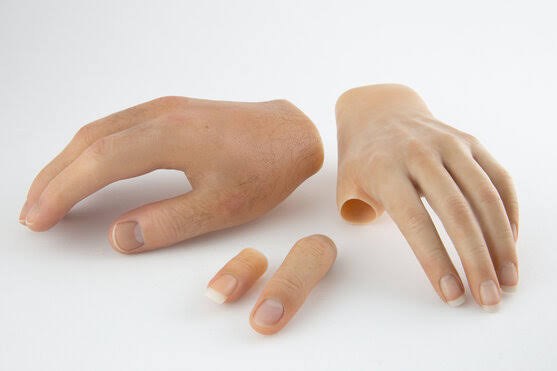
Losing part of a finger can affect everyday tasks more than many people expect—from typing and gripping objects to restoring confidence in social situations. One of the most common questions patients ask during consultation is: How long does it actually take to design a custom finger prosthetic?
If you are exploring treatment options in Nashville, understanding the full timeline helps you plan recovery, expectations, and daily adjustments. While every case is unique, modern prosthetic technology has made the process faster, more precise, and highly personalized.
Contact us For Free Consultation: https://fingerprosthetics.com/form/
This guide explains each step involved in designing a custom finger prosthetic, typical timelines, and factors that influence delivery speed—all based on real clinical workflows and patient experiences.
Why Custom Finger Prosthetics Require Time
Unlike mass-produced medical devices, a custom finger prosthetic is handcrafted to match your anatomy, skin tone, functionality needs, and lifestyle goals.
Every prosthetic must achieve three essential outcomes:
- Natural appearance
- Comfortable fit
- Functional performance
Achieving these results requires multiple clinical and design stages rather than a single appointment.
Patients in Nashville typically go through a collaborative process involving prosthetists, designers, and rehabilitation specialists.
Average Timeline for a Custom Finger Prosthetic
Most custom finger prosthetics take 3 to 6 weeks from consultation to final delivery. However, timelines vary depending on complexity, healing condition, and customization level.
Here is a realistic breakdown.
1. Initial Consultation and Evaluation (1–3 Days)
The journey begins with a professional assessment.
During this stage, specialists evaluate:
- Amputation level
- Skin condition and healing status
- Remaining joint mobility
- Daily activity requirements
- Cosmetic expectations
Photographs, measurements, and sometimes digital scans are taken to begin the design process.
Patients also discuss whether they need:
- Cosmetic silicone fingers
- Functional mechanical prosthetics
- Hybrid designs
This step ensures the prosthetic matches real lifestyle needs rather than a generic solution.
2. Digital Scanning or Impression Casting (3–7 Days)
After evaluation, clinicians capture the exact anatomy of the residual finger.
Two modern approaches are commonly used:
3D Digital Scanning
- Fast and highly accurate
- Comfortable and non-invasive
- Enables precise symmetry matching with the opposite hand
Traditional Casting
- Used for complex anatomical conditions
- Helpful when soft tissue shaping is required
Accurate impressions are critical because even minor sizing errors can cause discomfort or reduced functionality.
3. Design and Engineering Phase (7–14 Days)
This is where customization truly happens.
Technicians design the prosthetic using specialized modeling software and handcrafted techniques. The process includes:
- Structural design for durability
- Alignment for natural finger movement
- Skin tone color matching
- Nail detailing and texture replication
Advanced silicone layering techniques recreate wrinkles, veins, and natural translucency, helping the prosthetic blend seamlessly with your hand.
For functional prosthetics, mechanical components are engineered to support gripping, typing, or tool handling.
4. Fabrication and Material Processing (7–10 Days)
Once approved, fabrication begins.
This phase involves:
- Medical-grade silicone molding
- Internal reinforcement placement
- Pigment curing
- Surface finishing and detailing
Each prosthetic is individually handcrafted, which explains why rushing production can compromise comfort and realism.
Quality control testing ensures durability before patient fitting.
5. Fitting Appointment and Adjustments (3–7 Days)
The first fitting is one of the most important stages.
During fitting, specialists check:
- Suspension and retention
- Comfort during motion
- Grip performance
- Visual symmetry
Minor refinements are common and expected. Adjustments ensure the prosthetic feels like a natural extension of the body rather than an external device.
Some patients require follow-up refinements after several days of real-world use.
6. Final Delivery and Training
After adjustments, the prosthetic is finalized.
Patients receive guidance on:
- Wearing schedules
- Cleaning and maintenance
- Functional training exercises
- Skin care recommendations
Many users adapt quickly, especially when rehabilitation guidance is included.
Factors That Affect Design Time in Nashville
Not every prosthetic follows the same timeline. Several variables can influence how long the process takes.
Healing Condition of the Residual Finger
If surgery or injury is recent, clinicians may wait until swelling stabilizes before fabrication begins.
Level of Customization
Highly realistic silicone prosthetics with advanced detailing typically take longer than basic designs.
Functional Requirements
Mechanical or activity-focused prosthetics require additional engineering and testing.
Patient Availability
Scheduling fittings and adjustments also impacts total turnaround time.
Technology Used by the Clinic
Clinics using digital scanning and modern fabrication methods often reduce production time significantly.
Why a Proper Timeline Matters
Patients sometimes ask if a prosthetic can be rushed. While faster turnaround sounds appealing, precision matters more than speed.
A well-designed prosthetic helps:
- Restore independence in daily tasks
- Improve hand symmetry and confidence
- Prevent skin irritation or pressure issues
- Support long-term comfort
Taking time during the design phase ultimately reduces future adjustments and improves satisfaction.
What Patients in Nashville Can Expect Overall
In most cases, Nashville patients receive their custom finger prosthetic within one month, though complex designs may extend slightly longer.
The process is collaborative, patient-centered, and focused on long-term success rather than quick delivery.
Modern prosthetic advancements now allow individuals to regain both functionality and natural appearance with remarkable accuracy.
Choosing an experienced provider ensures each step—from consultation to final fitting—is handled with clinical expertise and personalized care, helping patients return confidently to work, hobbies, and social life with Finger Prosthetics.
Frequently Asked Questions
How soon after amputation can I get a custom finger prosthetic?
Most specialists recommend waiting until the residual limb fully heals and swelling stabilizes, usually 6–12 weeks after surgery.
Can a custom finger prosthetic be made faster?
Some clinics offer expedited services, but proper fitting and detailing still require multiple stages to ensure comfort and durability.
How long does a finger prosthetic last?
With proper care, silicone finger prosthetics typically last 2–5 years depending on usage, activity level, and maintenance.
Will I need adjustments after receiving my prosthetic?
Yes. Minor adjustments are common during early use as your hand adapts and specialists fine-tune the fit.
Is the design process painful?
No. Digital scanning and casting are non-invasive procedures designed for comfort throughout the entire process.
A thoughtfully designed prosthetic is more than a medical device—it is a personalized restoration of function, identity, and confidence. Understanding the timeline helps patients make informed decisions and begin their rehabilitation journey with realistic expectations and trusted professional guidance from Finger Prosthetics.