
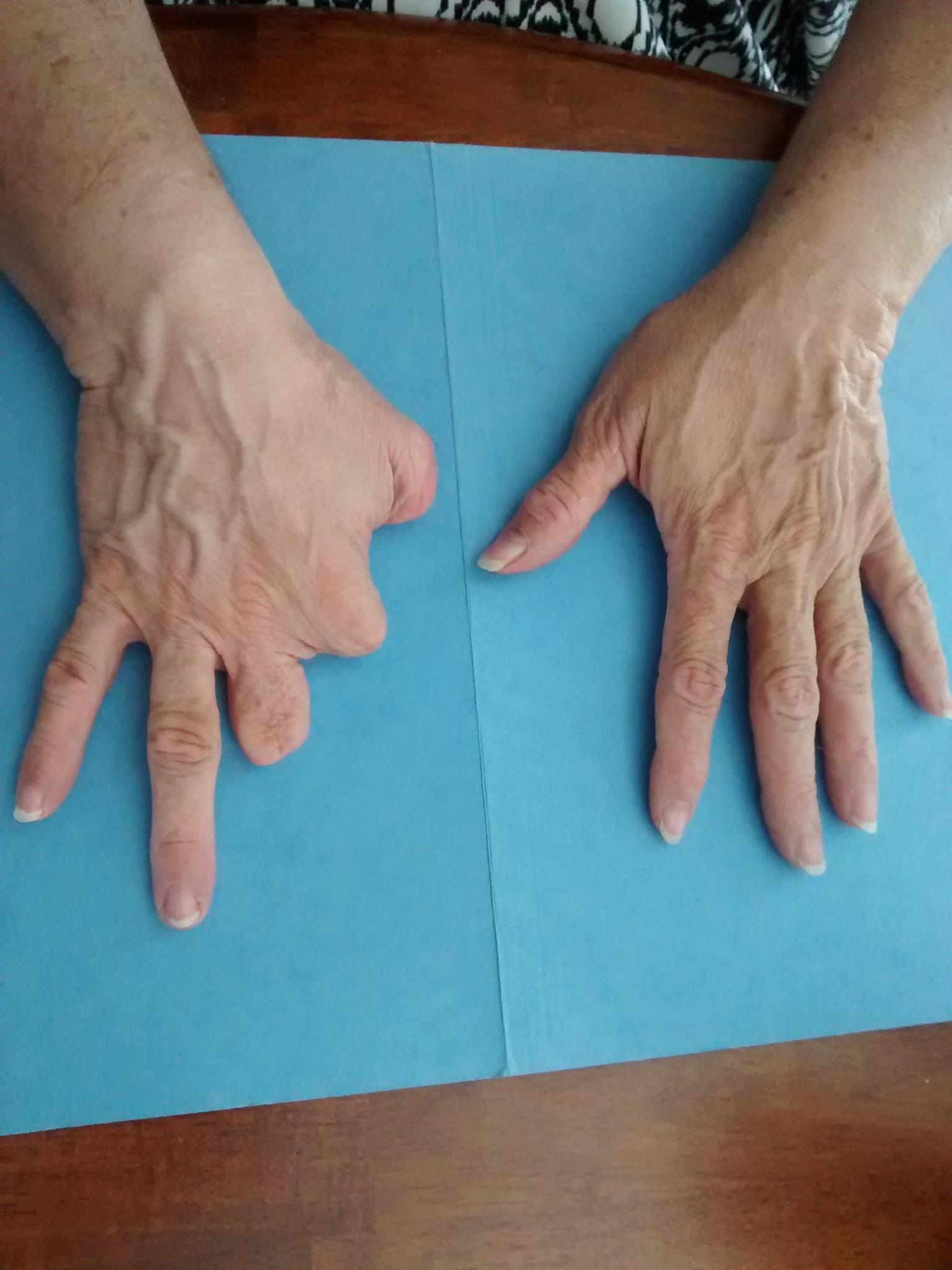
Losing a finger due to trauma, medical conditions, or congenital differences can significantly affect daily life. Beyond physical limitations, many individuals also experience emotional and social challenges. Fortunately, modern finger prostheses offer realistic appearance, improved hand function, and renewed confidence.
If you or a loved one in Memphis is considering a prosthetic solution, understanding who qualifies as a strong candidate is the first step toward recovery and independence.
This guide explains who benefits most from a finger prosthesis, how specialists evaluate candidacy, and what patients can realistically expect from treatment.
Contact us For Free Consultation: https://fingerprosthetics.com/form/
Understanding Finger Prosthesis Technology
A finger prosthesis is a custom-designed artificial finger created to replace part or all of a missing digit. Today’s prosthetics combine medical-grade silicone, advanced sculpting techniques, and functional design to closely match natural skin tone, texture, and movement.
Depending on the patient’s needs, prosthetic fingers may be:
- Cosmetic prostheses focused on appearance restoration
- Functional prostheses designed to assist grip and hand balance
- Hybrid solutions offering both aesthetics and usability
Modern prosthetics are personalized, meaning candidacy depends more on individual goals than strict medical requirements.
Common Causes of Finger Loss
People in Memphis seek finger prostheses for many different reasons. The most common include:
Traumatic Injuries
Workplace accidents, machinery injuries, sports trauma, and vehicle accidents often result in partial or full finger amputations.
Medical Conditions
Conditions such as severe infections, tumors, or circulation disorders may require surgical amputation to protect overall health.
Congenital Differences
Some individuals are born with missing or underdeveloped fingers and pursue prosthetics later in life for functional or cosmetic improvement.
Regardless of the cause, many individuals can benefit from prosthetic restoration.
Who Is a Good Candidate for a Finger Prosthesis?
Not everyone heals or adapts the same way after an injury. Prosthetic specialists evaluate several important factors when determining candidacy.
1. Individuals with Healed Amputation Sites
The most important requirement is proper healing.
A candidate typically has:
- Fully healed surgical or injury site
- Stable skin condition without infection
- Controlled swelling and scar maturation
Once healing is complete, prosthetic fitting can begin safely.
2. Patients Seeking Functional Improvement
A finger prosthesis can help restore daily activities such as:
- Typing or writing
- Holding utensils
- Gripping tools
- Using smartphones
- Driving safely
Patients who want improved hand balance and grip coordination often achieve excellent outcomes.
3. Individuals Concerned About Appearance and Confidence
Many candidates pursue prosthetics primarily for emotional well-being.
A realistic prosthetic finger helps patients:
- Feel comfortable in social settings
- Reduce unwanted attention
- Return to professional environments confidently
Psychological readiness and motivation play a significant role in long-term satisfaction.
4. People Without Severe Medical Contraindications
Good candidates generally have:
- Adequate circulation
- Healthy surrounding tissue
- Ability to maintain prosthesis hygiene
- Commitment to follow-up care
Even individuals with partial finger loss or multiple amputations may qualify after evaluation.
5. Active Individuals Wanting Lifestyle Independence
Contrary to common belief, prosthetics are not limited to older adults. Many candidates include:
- Working professionals
- Students
- Athletes
- Artists and musicians
Custom designs allow prostheses to support active lifestyles while protecting sensitive residual tissue.
When Someone May Need Additional Evaluation
Some patients may require extra medical or therapeutic support before prosthetic fitting, including:
- Ongoing wound healing
- Severe scar sensitivity
- Limited range of motion
- Chronic pain management
Hand therapy or desensitization treatment may be recommended first to ensure the best prosthetic outcome.
Benefits of Getting a Finger Prosthesis in Memphis
Choosing a prosthesis goes beyond replacing a missing finger. Patients often experience improvements across multiple aspects of life.
Physical Benefits
- Better hand symmetry and balance
- Enhanced grip support
- Protection of sensitive nerve endings
- Reduced strain on remaining fingers
Emotional Benefits
- Improved self-esteem
- Reduced anxiety during social interaction
- Greater willingness to engage in public activities
Professional Advantages
Many Memphis patients report feeling more confident returning to work, interviews, or customer-facing roles after prosthetic restoration.
The Finger Prosthesis Process: What to Expect
Understanding the treatment journey helps patients feel more comfortable moving forward.
Consultation and Evaluation
A prosthetic specialist assesses:
- Medical history
- Amputation level
- Skin condition
- Functional goals
- Lifestyle needs
Custom Design and Impression
Detailed measurements and molds are taken to ensure precise fit and natural appearance.
Color Matching and Fabrication
Artists replicate skin tone, freckles, veins, and nail characteristics for realism.
Fitting and Adjustment
Patients learn how to wear, remove, and care for the prosthesis while adjustments ensure comfort.
Follow-Up Care
Regular reviews maintain fit, durability, and long-term satisfaction.
Emotional Recovery After Finger Loss
Recovery after amputation is not only physical. Many individuals experience grief, self-consciousness, or loss of identity connected to hand appearance and function.
A well-designed prosthesis often becomes part of emotional healing by helping patients regain normalcy. Supportive care, realistic expectations, and expert guidance contribute significantly to successful adaptation.
Why Early Consultation Matters
Many people delay prosthetic consultation because they believe they are not eligible or think too much time has passed since injury.
In reality, candidates may qualify months or even years after amputation. Early consultation simply allows specialists to:
- Evaluate healing progress
- Provide education
- Plan optimal timing for fitting
Seeking professional advice early can accelerate recovery and confidence rebuilding.
Choosing the Right Prosthetic Specialist in Memphis
Experience, customization expertise, and patient-centered care are critical factors when selecting a provider.
Look for clinics that emphasize:
- Individualized prosthetic design
- Realistic aesthetic outcomes
- Functional rehabilitation guidance
- Ongoing support and maintenance
Working with experienced professionals ensures better long-term results and higher patient satisfaction. Finger Prosthetics
Frequently Asked Questions (FAQs)
Who qualifies for a finger prosthesis after amputation?
Most individuals with a healed amputation site, healthy skin condition, and realistic expectations are good candidates. Both partial and complete finger loss can be treated.
How long after amputation can I get a prosthetic finger?
Typically, fitting begins once healing is complete, often between 6–12 weeks after surgery. However, many patients successfully receive prostheses years later.
Will a finger prosthesis restore full function?
A prosthesis improves grip support, stability, and daily activity performance, but it does not fully replace natural biological movement.
Is a finger prosthesis comfortable to wear daily?
Yes. Modern prostheses are lightweight, custom-fitted, and designed for extended daily wear when properly maintained.
Can people work or exercise while wearing a prosthetic finger?
Most patients return to normal activities, including work, exercise, and social engagement, depending on prosthetic type and individual lifestyle.
Final Thoughts
A finger prosthesis can be life-changing for individuals recovering from injury or amputation in Memphis. The best candidates are those who have healed physically, feel ready emotionally, and want to restore independence, confidence, and everyday functionality.
If you are unsure whether you qualify, a personalized consultation can provide clarity and direction. With advances in modern prosthetic technology and expert care, rebuilding both appearance and capability is more achievable than ever. Finger Prosthetics