
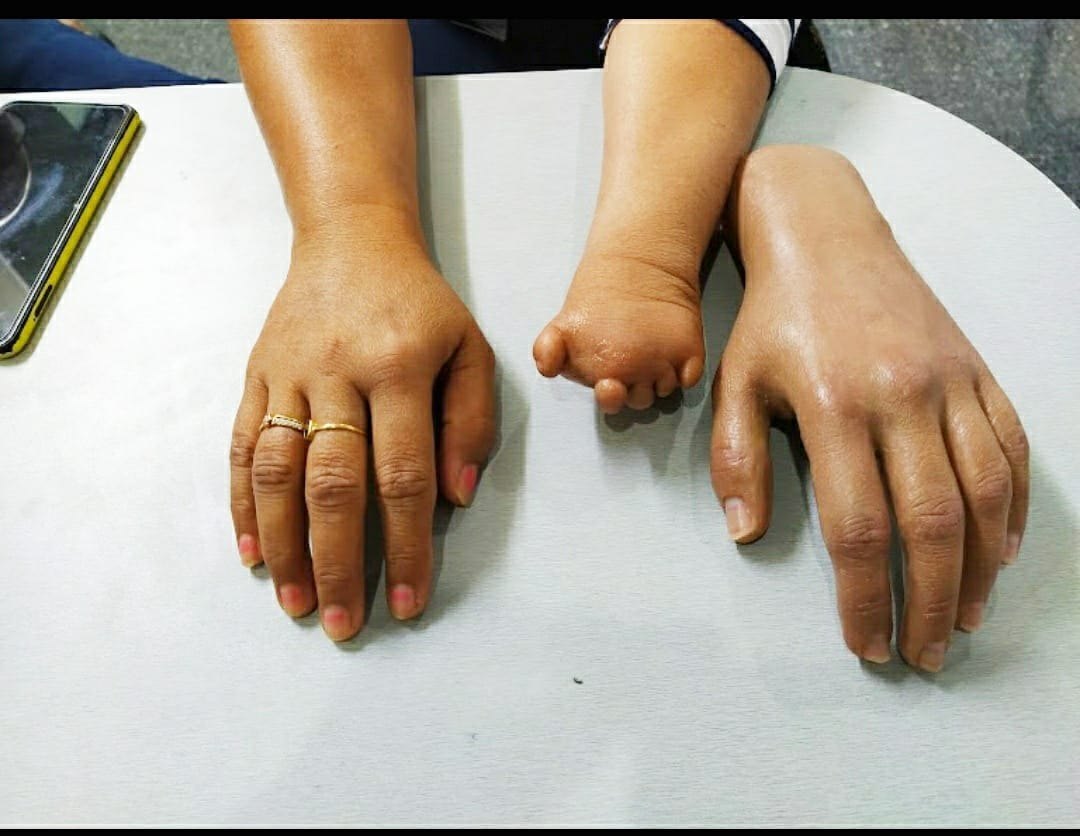
If you or someone you care about is living with hand loss, the first step toward recovery often begins online by filling out a contact form to connect with prosthetic specialists. A contact form allows amputees to request consultations, understand eligibility, discuss prosthetic options, and receive personalized guidance without visiting multiple clinics. Many patients in Newark prefer this approach because it simplifies the process of finding the right artificial hand solution quickly and confidentially.
Contact us For Free Consultation: https://fingerprosthetics.com/form/
Artificial hand prostheses are now more advanced than ever, offering both cosmetic restoration and functional independence.
Understanding Artificial Hand Prostheses
An artificial hand or hand prosthesis is a custom-made medical device designed to replace a missing hand or part of the upper limb. Modern prosthetics aim to restore appearance, movement, and confidence.
Types of Hand Prostheses
Cosmetic (Passive) Prosthetic Hands
- Designed to look realistic
- Lightweight and comfortable
- Ideal for social confidence and daily appearance
Body-Powered Prosthetic Hands
- Operated using cables and body motion
- Durable and functional
- Helpful for grip and basic tasks
Myoelectric Prosthetic Hands
- Controlled by muscle signals
- Advanced grip patterns
- Supports improved independence
A professional evaluation determines which option best fits your lifestyle and rehabilitation goals.
Where to Get an Artificial Hand in Newark, NJ
Several prosthetic clinics and rehabilitation centers serve amputees in and around Newark. These facilities provide evaluation, fitting, and follow-up care.
Leading Prosthetic Clinics Near Newark
Patients frequently begin consultations at specialized centers such as:
- Hanger Clinic: Prosthetics & Orthotics – Offers customized prosthetic limb fittings and ongoing support programs.
- Allcare Orthotic and Prosthetic Services – Provides personalized prosthetic solutions including upper-limb prostheses.
- Pro Fit, LLC – Focuses on prosthetic evaluations, fittings, and patient rehabilitation.
- Orthotic & Prosthetic Clinics of America – Offers advanced upper-extremity prosthetic devices and customized care plans.
- Jefferson Prosthetic – Known for personalized prosthetic services and fittings close to Newark.
Most clinics recommend scheduling a consultation first to evaluate residual limb condition, mobility goals, and prosthetic compatibility.
What Happens During the Prosthetic Consultation?
Initial Assessment
Specialists examine:
- Level of amputation
- Muscle strength
- Skin health
- Daily activity requirements
Measurement and Design
Digital scanning or molding ensures the artificial hand fits comfortably and securely.
Device Selection
Patients learn the differences between cosmetic, mechanical, and myoelectric hands.
Fitting and Training
After fabrication, occupational therapy helps patients adapt to movement and daily use.
Many individuals discover that working with experienced providers such as Finger Prosthetics helps simplify the decision-making process and improves long-term outcomes.
Benefits of Getting a Hand Prosthesis
Physical Benefits
- Improved balance and symmetry
- Assistance with daily activities
- Enhanced grip stability
Emotional Benefits
- Restores confidence
- Reduces social anxiety
- Supports psychological recovery after amputation
Modern prosthetic technology allows many amputees to return to work, hobbies, and social activities more comfortably.
Cost and Insurance Considerations
Artificial hand prostheses vary widely in cost depending on technology and customization.
Factors affecting pricing include:
- Type of prosthetic hand
- Functional features
- Replacement schedule
- Rehabilitation services required
Insurance providers may cover part of the prosthetic process when medically necessary. However, eligibility requirements differ, which is why consultation guidance is important before starting treatment.
Rehabilitation and Adjustment After Getting a Prosthesis
Receiving a prosthetic hand is only part of recovery. Rehabilitation ensures successful long-term use.
Rehabilitation May Include
- Occupational therapy
- Grip training exercises
- Muscle strengthening
- Routine prosthetic adjustments
Facilities like Kessler Rehabilitation Center – Newark often support therapy programs that help patients adapt to their new prosthetic device.
Choosing the Right Artificial Hand Provider
When selecting a prosthetic clinic, consider:
Experience and Certification
Look for certified prosthetists specializing in upper-limb prosthetics.
Customization Options
Every hand prosthesis should be individually designed.
Follow-Up Support
Regular adjustments improve comfort and durability.
Communication Process
Clinics offering online consultation or contact form support typically provide faster patient onboarding.
Choosing the right provider can significantly impact comfort, confidence, and long-term satisfaction.
FAQs About Artificial Hand Prostheses in Newark, NJ
Where can I get a hand prosthesis in Newark?
Several prosthetic clinics and rehabilitation centers near Newark provide evaluations and fittings after consultation.
How long does it take to receive an artificial hand?
The timeline depends on healing status and customization requirements.
Are artificial hands functional?
Yes. Many prosthetic hands assist with gripping, lifting light objects, and daily tasks.
Do prosthetic hands look natural?
Modern cosmetic prostheses are designed to closely match skin tone and hand structure.
Is surgery required to wear a prosthetic hand?
Most prosthetic hands do not require additional surgery.
Will insurance cover a hand prosthesis?
Coverage varies by provider and medical documentation.
Do I need therapy after getting a prosthesis?
Yes, rehabilitation and training help patients adapt successfully.
Final Thoughts
Finding an artificial hand or hand prosthesis in Newark, NJ is achievable with the help of experienced prosthetic clinics and rehabilitation specialists. Starting with a contact form consultation allows amputees to explore personalized options, understand timelines, and receive professional guidance tailored to their recovery journey.
Taking that first step toward consultation often marks the beginning of restored independence, improved confidence, and a renewed sense of normal life.