
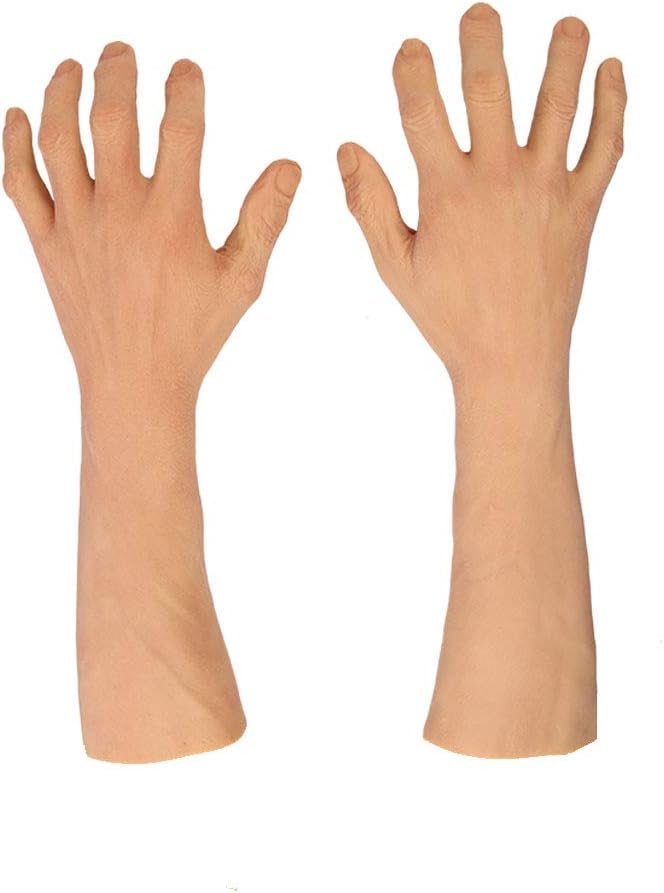
For amputees in Mobile, AL, understanding partial arm prosthetics and how to adapt to their use is key to regaining independence, comfort, and functionality. Modern prosthetic solutions focus on restoring arm and hand function while supporting long-term wear and usability.
Overview of Partial Arm Prosthetics
Types of Partial Arm Prosthetics
Partial arm prosthetics are designed for individuals missing part of the forearm or upper arm. Options include:
- Cosmetic prosthetics: Focus on natural appearance and basic support, often made with flexible silicone materials.
- Functional prosthetics: Include mechanical or body-powered devices that assist with gripping, lifting, and other daily tasks.
- Advanced or robotic prosthetics: Myoelectric or sensor-driven arms provide enhanced movement and control for complex tasks.
Goals of Partial Arm Prosthetic Use
Partial arm prosthetics aim to:
- Restore basic or advanced arm function
- Improve grip strength and dexterity
- Provide aesthetic balance and confidence
- Enable participation in work, hobbies, and social activities
Adapting to Prosthetic Use
Initial Fitting and Comfort
Mobile clinics begin with a comprehensive assessment of the residual limb, arm strength, and daily activity needs. Proper fitting is crucial for:
- Reducing pressure points and irritation
- Ensuring secure attachment and alignment
- Enhancing long-term wearability
Learning to Use the Prosthetic
Patients typically undergo training to adjust to their device. Key adaptation steps include:
- Practicing basic movements like gripping, lifting, or rotating objects
- Building endurance and muscle strength in the residual limb
- Learning to integrate the prosthetic into daily routines gradually
Gradual Adjustment Period
Amputees should expect a period of adaptation. Initial discomfort or awkwardness is normal, but consistent practice and follow-up care help users become proficient in using their partial arm prosthetic.
Tips for Long-Term Success
Regular Follow-Up and Adjustments
Partial arm prosthetics may require periodic adjustments to maintain comfort and function. Mobile clinics provide ongoing care to address:
- Socket fit and alignment
- Wear-and-tear issues
- Functional optimization as activity levels change
Maintenance and Care
Proper cleaning and maintenance of the prosthetic extend its lifespan and preserve performance. Patients should follow clinic guidelines for:
- Cleaning the socket and components
- Inspecting for damage or wear
- Scheduling check-ins as recommended
Setting Realistic Goals
Patients benefit from setting achievable functional goals and gradually increasing complexity. Starting with simple daily tasks and progressing to more demanding activities ensures better adaptation and confidence.
Final Thoughts
Amputees in Mobile, AL should know that partial arm prosthetics offer a combination of functionality, comfort, and aesthetic restoration. Successful adaptation requires proper fitting, training, regular adjustments, and patient commitment. With professional guidance and consistent practice, users can regain independence, enhance daily performance, and confidently integrate their prosthetic into everyday life.