
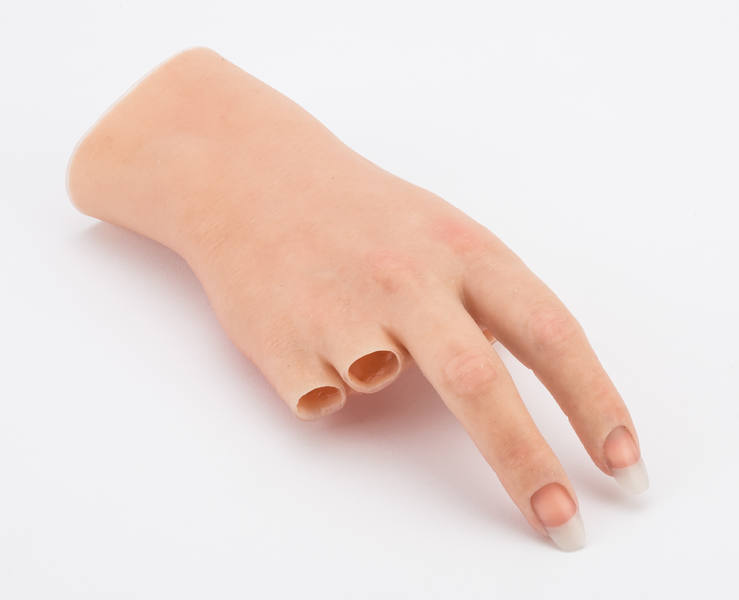
For patients in Princeton, NJ and Summit, NJ exploring ways to restore hand function and appearance after finger loss, the decision between finger replacement prosthetics and permanent prosthetic finger options can feel overwhelming. Both solutions offer unique advantages, but understanding their differences is essential in choosing the right option for comfort, lifestyle, and long-term satisfaction.
With innovations in silicone materials, structural engineering, and custom design—from brands like Finger Prosthetics—patients now have more advanced, natural-looking solutions than ever before. But how do you compare these options effectively?
Below is a clear, informative breakdown tailored to help residents in Princeton and Summit evaluate their choices with confidence.
Understanding Finger Replacement Prosthetics
Finger replacement prosthetics are typically made from high-quality silicone and designed specifically to restore the appearance of the missing finger. These prosthetics can also provide light functional support, such as stabilizing objects or assisting in grip when paired with natural hand movements.
Key advantages include:
- Highly realistic appearance: Skin tone, texture, and even nail features can be matched with incredible precision.
- Non-invasive design: No surgical procedure is required.
- Comfort-focused customization: Built to fit your hand’s contours precisely.
- Easy to remove: Suitable for part-time or all-day wear depending on user preference.
For many individuals in Princeton and Summit, this option provides a balance of aesthetics and basic functionality without the commitment of surgery or permanent attachment.
Understanding Permanent Prosthetic Finger Options
Permanent prosthetic fingers differ because they involve surgical implantation of anchoring components in the bone, which the prosthetic then attaches to. This provides greater stability and improved functional strength for daily activities.
Benefits of permanent options may include:
- Increased stability and resistance: Better for users with highly active lifestyles.
- Enhanced support for grip and movement: Particularly helpful for tasks requiring stability.
- Secure attachment: No risk of slipping or shifting during wear.
However, patients should consider that this option requires surgery, healing time, and may not be suitable for everyone depending on bone structure, medical history, or personal preference.
How Patients in Princeton and Summit Can Compare Both Options
1. Evaluate Lifestyle Needs
Do you need your prosthetic for daily tasks like typing, lifting lightweight objects, or household chores?
A silicone finger replacement may be sufficient.
Do you require stronger grip support, or do you work in an environment where stability matters?
A permanent prosthetic option may be more ideal.
2. Consider Comfort and Flexibility
Those who prefer non-invasive solutions often lean toward removable silicone prosthetics.
Those seeking enhanced durability may prefer permanent solutions.
3. Understand Functional Expectations
Silicone replacements provide functional assistance, while permanent options offer more solid structural support.
4. Think About Appearance Preferences
Silicone prosthetics excel in natural aesthetics since they are sculpted and color-matched individually.
5. Schedule a Professional Evaluation
Comparing both options is easiest when a specialist evaluates your hand structure, mobility, skin tone, and daily activity needs. This is why patients are encouraged to schedule a free consultation—it’s the most accurate way to receive personalized guidance.
Frequently Asked Questions (FAQs)
- Which option feels more natural to wear every day?
The answer depends on your comfort preferences and sensitivity levels. There’s one part of the fitting process we discuss during your consultation that helps determine which option will feel more natural for you. - Are permanent prosthetic fingers always stronger than silicone replacements?
Permanent designs offer stability, but silicone prosthetics have a specific internal feature that surprises many patients when they see how durable it actually is. - How realistic are silicone finger replacements in terms of appearance?
They can be extremely lifelike, but the realism depends on a special color-blending technique we demonstrate during your visit—something that online photos can’t fully capture. - Do I need surgery if I want a permanent prosthetic option?
Yes, but whether you’re a good candidate depends on one key bone requirement we examine during your evaluation. Many patients don’t know this detail until they meet with a specialist. - Which option is more affordable in the long run?
Costs can vary depending on customization and design style. During a consultation, we outline a comparison that helps patients understand the long-term investment for each option.
Final Thoughts
For patients in Princeton, NJ and Summit, NJ, choosing between finger replacement prosthetics and permanent prosthetic finger options comes down to lifestyle, expectations, and personal comfort. Both solutions offer meaningful benefits, but the best choice is the one that aligns with your daily needs and confidence goals.
If you’re exploring these options and want expert guidance, now is the perfect time to take the next step. Reach out today to schedule your free consultation and discover which prosthetic solution is right for you.