
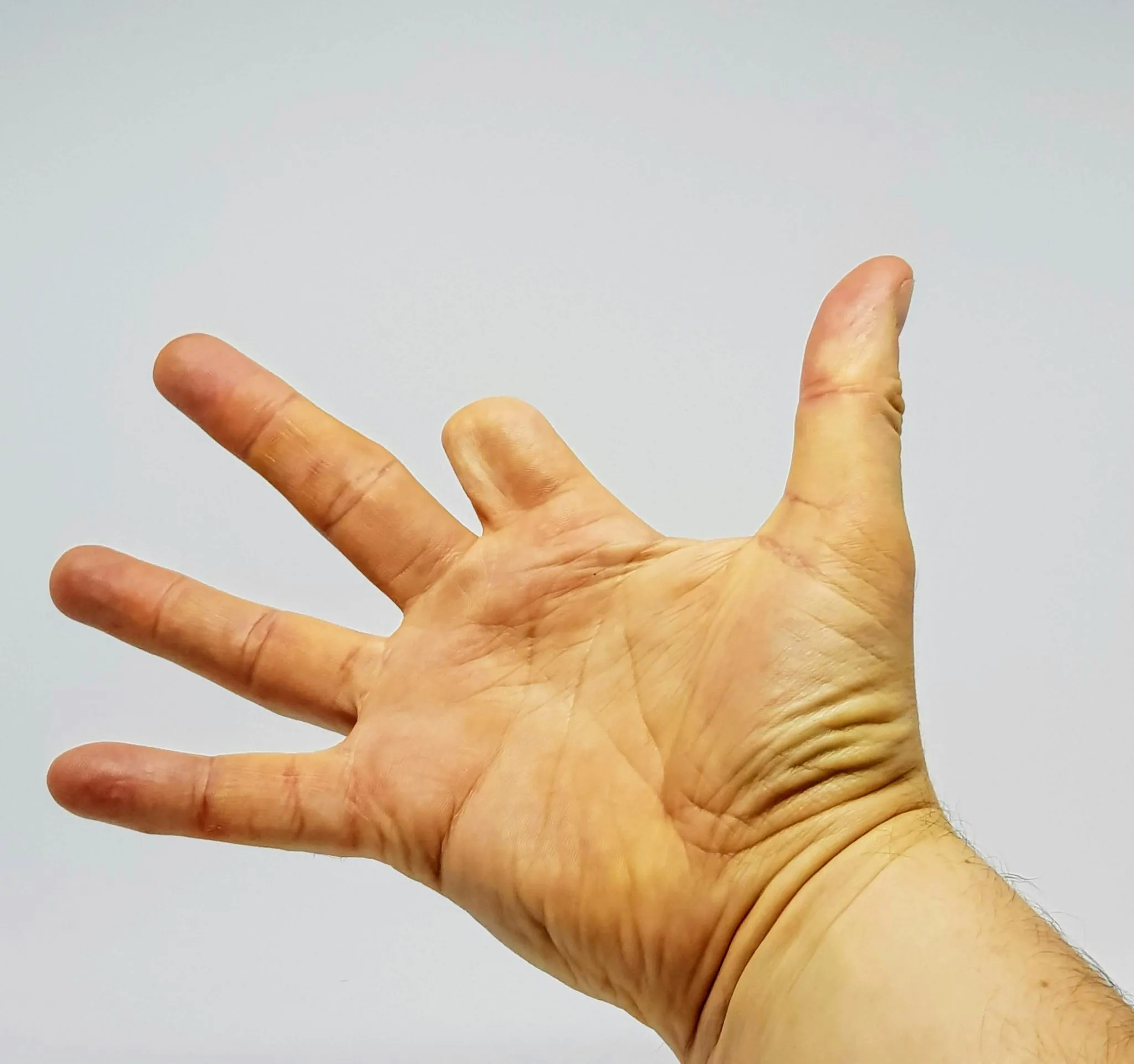
Finger amputation prosthetics are specialized devices designed to replace one or more missing fingers, restoring both functionality and appearance. For individuals in Dallas, TX, these prosthetics provide a means to regain dexterity, improve hand function, and enhance daily life. Understanding how these devices work, the different types available, and the process for obtaining them can help patients make informed decisions about their care.
Purpose and Function of Finger Prosthetics
The main purpose of finger prosthetics is to restore functional ability and improve the cosmetic appearance of the hand. Fingers are essential for gripping, pinching, typing, writing, and performing a wide range of precise tasks. Prosthetic fingers can support these activities by replicating natural finger movements, enhancing strength, and improving overall hand coordination. Additionally, they help maintain the balance and symmetry of the hand, which can prevent compensatory movements that may lead to discomfort or injury.
Types of Finger Prosthetics
Finger prosthetics can be broadly categorized into cosmetic and functional types.
- Cosmetic Finger Prosthetics
Cosmetic prosthetics focus primarily on appearance, aiming to replicate the natural look of the missing finger. They are often made from medical-grade silicone or similar materials and can be customized to match skin tone, texture, and nail details. While cosmetic prosthetics may not provide active movement, they offer support for certain tasks, stabilize the hand during grip, and boost self-confidence by improving the hand’s appearance. - Functional Finger Prosthetics
Functional prosthetics are designed to restore movement and dexterity. They can include mechanical joints, flexible hinges, or spring-loaded mechanisms that allow the finger to bend, grip, or rotate. Some advanced devices incorporate multi-articulating designs that replicate the natural movement of individual finger joints, enabling more precise control and fine motor function. Functional prosthetics are particularly beneficial for individuals who need to perform daily tasks that require active finger use, such as typing, cooking, or using tools. - Myoelectric and Sensor-Based Prosthetics
Advanced finger prosthetics in Dallas may use myoelectric technology, which detects electrical signals from residual muscles in the hand or forearm. These signals are translated into finger movements, allowing the user to control the prosthetic naturally. Sensor-based systems can provide feedback on grip pressure and position, improving precision when holding delicate objects or performing complex tasks. Myoelectric and sensor-based prosthetics offer a more intuitive and lifelike experience for users.
Customization and Fit
A critical factor in the success of a finger prosthetic is proper fit and customization. Specialists in Dallas take precise measurements of the residual limb and surrounding fingers to ensure the prosthetic is comfortable, secure, and functional. Custom molds, 3D scans, and adjustable sockets are often used to create a device that fits the hand accurately. Proper customization helps prevent irritation, reduces fatigue, and ensures the prosthetic moves in coordination with the user’s hand.
Integration with Daily Activities
Finger prosthetics are designed to integrate seamlessly into daily activities. With the right device, users in Dallas can regain the ability to hold utensils, type on keyboards, write, grasp objects, and perform other routine tasks. Occupational therapists and prosthetic specialists provide training to help users adapt to their prosthetic fingers, develop strength and coordination, and achieve maximum functionality. Over time, consistent use allows the prosthetic to feel more natural and intuitive.
Maintenance and Longevity
Maintaining a finger prosthetic is essential for long-term performance and comfort. Regular cleaning, inspection for wear, and adjustments by a prosthetic specialist help maintain the device’s functionality and appearance. Materials such as medical-grade silicone and lightweight metals are chosen for durability, while modular components allow for easy repair or replacement if necessary. Specialists in Dallas provide guidance on proper care to extend the lifespan of the prosthetic.
Emotional and Psychological Benefits
Beyond functional improvement, finger prosthetics offer emotional and psychological benefits. They help restore a sense of normalcy, improve self-confidence, and reduce the social and emotional impact of finger loss. Support from prosthetic specialists, occupational therapists, and local peer networks in Dallas can further enhance adaptation and emotional well-being.
Accessing Finger Prosthetic Services in Dallas
Dallas has numerous clinics, hospitals, and rehabilitation centers that specialize in hand and finger prosthetics. Patients can access comprehensive services, including evaluation, customization, fitting, training, and follow-up care. Specialists work closely with each patient to create a personalized prosthetic solution that meets both functional and cosmetic needs.
Conclusion
Finger amputation prosthetics in Dallas, TX work by restoring hand function, dexterity, and appearance through customized devices that range from cosmetic models to advanced myoelectric systems. These prosthetics help individuals perform daily tasks, maintain hand symmetry, and regain confidence.
Through professional evaluation, proper customization, training, and ongoing support, patients can achieve optimal results and improve their overall quality of life. With the right prosthetic and guidance from specialists in Dallas, individuals can regain independence, enhance hand function, and seamlessly integrate their prosthetic fingers into everyday activities.