
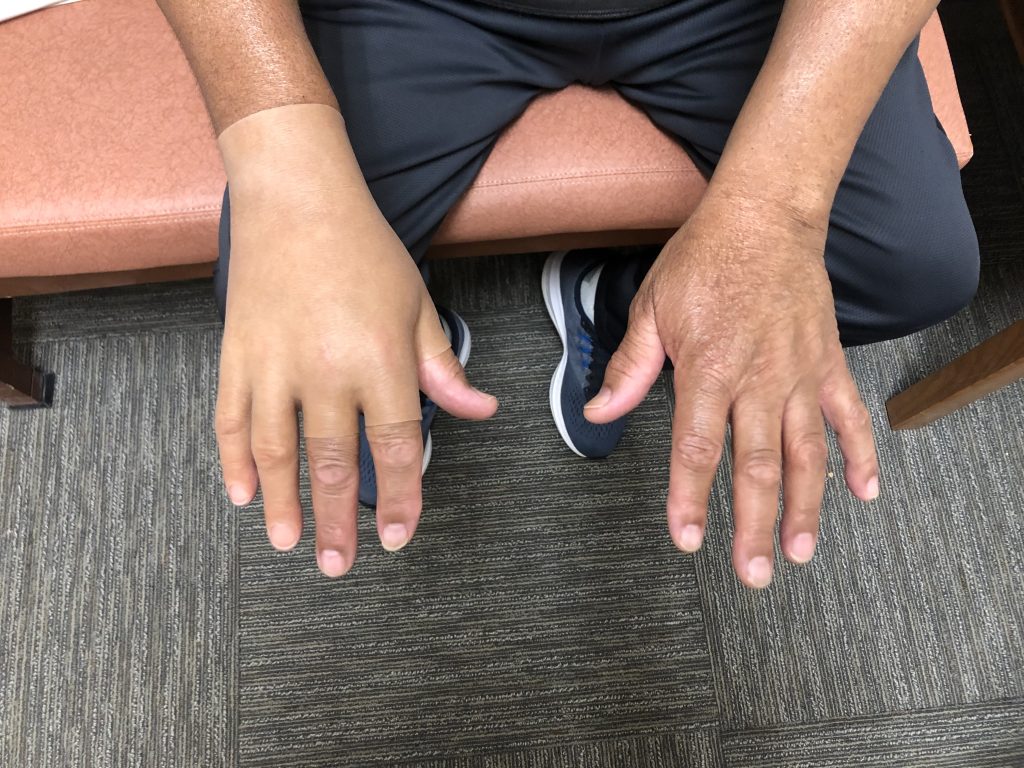
The time it takes to get fitted for a partial hand prosthetic in Raleigh, NC can vary depending on several factors including the complexity of the prosthesis, your healing progress (if the amputation was recent), the type of prosthetic device you choose, and the specific provider’s process. On average, the entire process—from evaluation to final fitting—can take anywhere from 4 to 12 weeks, though in some cases it may take longer if custom features or insurance approvals are involved.
Raleigh, being a growing hub for healthcare and rehabilitation services in North Carolina, offers access to several experienced prosthetic providers. These include national prosthetic networks like Hanger Clinic, as well as regional orthotic and prosthetic specialists that provide customized upper-limb prostheses, including partial hand devices. Below is a detailed overview of the process, timeline, and what you can expect along the way.
Step 1: Initial Consultation and Assessment (1–2 Weeks)
The journey begins with an initial consultation. During this appointment, a certified prosthetist will evaluate your residual limb, review your medical history, understand your lifestyle needs, and discuss your goals—whether cosmetic, functional, or both.
You’ll be introduced to various prosthetic options such as passive silicone prosthetics, mechanical devices, activity-specific tools, or more advanced myoelectric prostheses. If you’re newly amputated, the prosthetist will also assess your healing and ensure the site is ready for prosthetic fitting.
For many patients in Raleigh, clinics like Hanger Clinic – Raleigh, Triangle Orthotics and Prosthetics, or Duke Health-affiliated providers are among the top choices for initial assessments.
Step 2: Insurance Authorization and Approval (1–3 Weeks)
Once a treatment plan is established, your provider will typically submit paperwork to your insurance company for pre-authorization. This step ensures coverage for the recommended device and services.
The duration of this stage depends on your insurance provider. For private insurance, approvals may take a few days to a couple of weeks. For Medicare, Medicaid, or VA benefits, it may take a bit longer, especially if documentation needs to go through a multi-step verification process.
Your prosthetic provider will usually handle communication with the insurer and keep you updated on progress. If your plan does not cover certain features—like myoelectric components or silicone cosmetic elements—your clinic may explore alternate funding, grants, or payment plans.
Step 3: Impression and Custom Design (1–2 Weeks)
Once approved, the next step is creating a precise mold of your residual limb and possibly the opposite hand for reference (especially important in cosmetic prosthetics). The prosthetist may use traditional plaster molds or advanced 3D scanning to capture the exact shape, contour, and alignment.
If you are ordering a custom silicone partial hand prosthetic, your provider will also take detailed photographs for color matching. For functional prosthetics, your hand’s range of motion and strength are measured to properly configure joints, straps, or electronic sensors.
Step 4: Fabrication and Construction (2–6 Weeks)
This is often the most time-intensive part of the process. The prosthesis is built in a specialized lab, either in-house or by a partnered manufacturer. The fabrication timeline varies based on the type:
- Passive silicone prosthetic: 3–6 weeks, due to detailed sculpting and coloring
- Mechanical or body-powered device: 2–4 weeks
- Myoelectric partial hand prosthesis: 4–8 weeks, due to electronics and testing
- Activity-specific prosthetic: 1–3 weeks
Some high-end silicone prosthetics may be fabricated by national labs outside Raleigh, which can extend the wait time slightly due to shipping and coordination.
Step 5: Fitting and Adjustment (1–2 Appointments)
Once your prosthetic is ready, you’ll return to the clinic for the fitting appointment. The device is tested on your hand for comfort, alignment, and performance. Adjustments are made to ensure a secure and natural fit.
If you’re receiving a functional prosthetic, you’ll be shown how to operate it, clean it, and care for it properly. In some cases, a second fitting is required to fine-tune the device based on your feedback after trial use at home.
Step 6: Training and Follow-Up (Ongoing)
Training is especially important for functional or myoelectric devices. You may be referred to an occupational therapist (OT) to help you practice using the prosthetic for daily tasks, such as writing, gripping objects, or using tools.
Most prosthetic providers in Raleigh coordinate with local therapy clinics or in-house OTs to ensure a smooth transition. Follow-ups are scheduled at regular intervals to monitor wear and tear, adjust the fit, or replace components as needed.
For children, adjustments are more frequent due to growth. Adults generally revisit every 6–12 months for updates or repairs.
Factors That May Affect the Timeline
- Healing Time: If the amputation was recent, you may need to wait several weeks for swelling to subside and for your limb to stabilize before measurements can be taken.
- Type of Prosthetic: Cosmetic devices are generally faster to create than electronic or mechanical systems.
- Customization Level: The more personalized the device (like skin tone matching, digital nail design, or flexible knuckles), the longer fabrication may take.
- Insurance Delays: Approval processes can cause unexpected delays.
- Provider Workload: During busy periods, clinics may have extended timelines.
Conclusion
In Raleigh, NC, the full process to get fitted for a partial hand prosthetic typically takes between 1 to 3 months, though timelines can vary. Choosing a certified and experienced provider will ensure that you receive a prosthetic device that is not only functional and well-fitted, but also tailored to your personal goals and lifestyle.
To get started, schedule a consultation with a local prosthetic specialist who can guide you through the process step-by-step and develop a timeline that fits your needs. Whether you’re looking for a cosmetic silicone thumb or a functional myoelectric partial hand prosthesis, Raleigh has the professional expertise and resources to support your journey.