
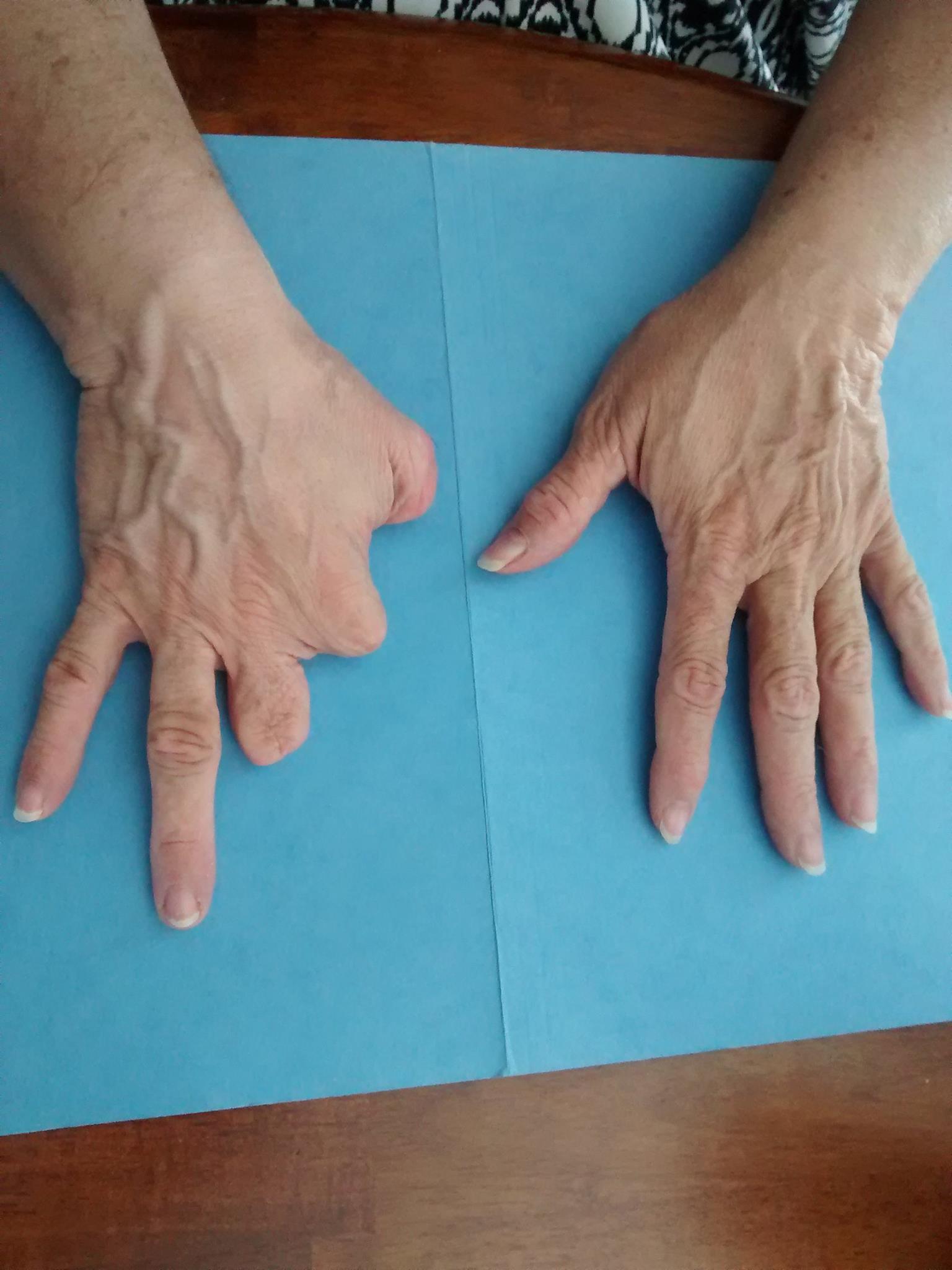
Losing a middle finger can change how your hand looks and how it holds things. The middle finger is the longest finger and sits at the center of the hand, so a gap there is noticeable, and it can affect how you grip, type and gesture. If you are exploring a middle finger prosthesis, this guide explains the main types, how one is made and fitted, what to expect day to day, and how to plan for cost. It is general education to help you prepare for a conversation with a certified prosthetist.
At Finger Prosthetics, we make custom silicone finger, thumb and partial hand prostheses for clients across the United States. Book a free consultation or call (800) 670-9550.
At a Glance
- A prosthesis is a choice, not a requirement. Some people wear one for appearance and comfort, others for support when gripping, and some prefer none.
- Types: passive (cosmetic) silicone, body-powered, myoelectric (electronic) and 3D-printed designs.
- Most people choose passive silicone for a single finger. It is custom molded and color-matched to your skin, nail and hand shape.
- Fit starts with your hand. The right option depends on how much of the finger remains, your daily activities and your budget.
- Cost and coverage: price depends on the type and level of customization, and insurance may help if the device is considered medically necessary.
- Next step: a free consultation, where a prosthetist can assess your hand and explain your options.
What Is a Middle Finger Prosthesis?
A middle finger prosthesis is a custom-made device that replaces a missing finger or part of one. Finger loss can result from an injury, an illness or a condition present at birth. People choose a prosthesis for different reasons:
- Appearance and confidence. A natural-looking finger can help you feel at ease at work and in social settings.
- Hand symmetry. It fills the gap so your hand looks balanced.
- Protection. It can cushion a sensitive residual finger.
- Everyday support. Depending on the design and the level of loss, it can help with pressing, holding and supporting objects.
Types of Middle Finger Prosthetics
| Type | How it works | Things to know |
|---|---|---|
| Passive (cosmetic) silicone | Sculpted and color-matched to your skin, nail and creases. No moving parts. | The most common choice for one finger. Lightweight and flexible. |
| Body-powered | Cables or a harness, moved by your wrist or other digits, bend the finger | Mechanical, with no battery. Usually a more visible device with basic movement. |
| Myoelectric | Electrodes detect muscle signals to move the finger | Needs a battery that must be charged. More often used when more of the hand is missing. |
| 3D-printed | Made from a digital scan of your hand | Can be functional or cosmetic. Quality and fit depend on the design and who makes it, so ask your prosthetist about it. |
Which type fits depends on your goals, how much of the finger remains, your activities and your budget. A prosthetist can explain the trade-offs, including when a simpler device is the better choice.
How a Middle Finger Prosthesis Is Made and Fitted
- Consultation and evaluation. A prosthetist looks at your hand, the length of any remaining finger, your mobility and your goals.
- Measuring and molding. Measurements, photos or molds capture the shape of your hand and the missing digit.
- Sculpting and color matching. The silicone is matched to your skin tone, with detail such as creases, veins and nail shape.
- Fitting. You try the prosthesis, check comfort and appearance, and learn how to put it on and take it off.
- Follow-up. Fit can change over time, so adjustments and repairs help keep it comfortable.
We can meet you at home, at your doctor’s office or at our main office. See our guides to care of your prosthesis and use of your prosthesis.
Everyday Life With a Prosthetic Middle Finger
Many people wear a passive silicone finger for typing, using a phone, holding utensils and handshakes. A passive finger does not move on its own, so how much it helps with gripping depends on the design and on how much of your hand remains. It can add support when you press or hold something. We do not promise that any prosthesis will restore full grip strength or function, and the best results come from a clear conversation about your goals before the design is made.
Clean your prosthesis with mild soap and lukewarm water, avoid harsh chemicals and sharp objects, and have it adjusted if the fit changes.
What Does a Middle Finger Prosthesis Cost?
Price depends on the type of device, how custom it is, the number of digits involved and what follow-up care is included. Our guide to artificial finger cost lists typical U.S. ranges for passive, body-powered and myoelectric finger prostheses. We give you a written quote after your free consultation.
Does insurance cover it?
Sometimes. Coverage in the United States depends on your plan, your state and whether the device is considered medically necessary. Ask your insurer whether a prosthetic finger is covered and whether you need a referral or prior authorization. Medicare Part B generally covers medically necessary prosthetic devices, usually at 80% of the approved amount after the deductible (Medicare.gov). Eligible veterans can use the VA Prosthetic and Sensory Aids Service, and workers’ compensation may apply to work injuries. Limbs for Life and the Amputee Coalition list resources for financial help.
Frequently Asked Questions
What are the options if I am missing a middle finger?
You can choose a passive (cosmetic) silicone prosthesis, or a body-powered, myoelectric or 3D-printed design. The right choice depends on how much of the finger remains, your activities and your budget. You can also choose not to wear one.
Is a passive silicone finger only cosmetic?
A passive finger has no moving parts, but many wearers find it useful for pressing, holding and supporting objects. How much it helps depends on the design and your hand.
Can I get a prosthesis if I only lost part of my middle finger?
Often, yes. A fingertip or partial finger prosthesis can replace only the missing portion. A consultation shows which option suits you.
Are 3D-printed prosthetic fingers a good choice?
They can be, for some people. Quality, comfort and appearance vary with the design and who makes it. Ask your prosthetist how it compares with custom silicone for your hand.
How much does a middle finger prosthesis cost?
It depends on the type, customization and number of digits. See our guide to artificial finger cost, or ask for a quote at your consultation.
Will insurance cover it?
It may, if the device is considered medically necessary. Coverage varies by plan, so check with your insurer and ask us for documentation.
How long does a prosthetic finger last?
There is no single answer. Care, wear and activity all affect lifespan, so we review the fit at follow-up visits.
Do you serve clients across the United States?
Yes. We serve clients across the United States and can meet you at home, at your doctor’s office or at our main office.
Book Your Free Consultation
Every hand is different, so the best way to learn what is possible is to talk to us. Finger Prosthetics has more than 25 years of experience crafting lifelike finger and hand prostheses. Request a free consultation online or call (800) 670-9550. See our finger prosthetics, gallery and client testimonials.
This article is general education, not medical advice. Your surgeon, hand therapist or prosthetist can advise on your situation.